


AI voice cloning ethics best practices are no longer a theoretical discussion for policy researchers. They are a practical requirement for anyone who uses ElevenLabs or similar platforms to create synthetic voices. The technology has reached a point where a cloned voice can be indistinguishable from the original speaker, which means the potential for misuse is real and the responsibility falls on every person who generates a voice clone.
This guide is written for creators, businesses, and developers who use voice cloning in their work and want to do it responsibly. Whether you produce podcasts, build voice-enabled applications, create training videos, or develop audiobooks, the principles here apply to your workflow. The goal is not to discourage you from using the technology - voice cloning is genuinely transformative for accessibility, content production, and localization - but to give you a clear framework for using it without causing harm.
If you are new to the platform, the Getting Started with ElevenLabs guide covers account setup and first generation. If you already know how to clone a voice and want to understand the ethical guardrails, you are in the right place.
AI Voice Cloning Ethics Best Practices: Why They Matter Now
AI voice cloning ethics best practices are urgent because the generative AI technology behind synthetic speech has improved faster than the regulatory frameworks designed to govern it, and the gap is wider than it was when the first wave of ethics best practices 2022 guidance was drafted. In 2024 and 2025, deepfake audio incidents made headlines regularly - from political robocalls using cloned candidate voices to scam calls impersonating family members requesting emergency wire transfers. These are not edge cases. The FBI’s Internet Crime Complaint Center reported a sharp increase in AI-generated voice fraud, and multiple state legislatures in the US have introduced or passed legislation specifically targeting synthetic voice misuse.
The core tension is straightforward. The same technology that lets a podcaster generate voiceovers in 30 languages (covered in the Multilingual Dubbing Workflow guide) also lets a bad actor impersonate someone without their knowledge. The same tool that preserves a dying person’s voice for their family can be weaponized for financial fraud.
This is not a reason to avoid voice cloning. It is a reason to approach it with a clear ethical framework. Platforms like ElevenLabs have invested heavily in safety systems - voice verification, content moderation, and usage policies - but technology-level safeguards only work when users also take responsibility.
The five principles in this guide form a practical checklist you can apply to any voice cloning project to drive better output, regardless of scale.
Principle 1: Always Obtain Explicit Consent
Consent is the foundation of AI voice cloning ethics best practices. Without it, everything else in this guide is irrelevant.
What explicit consent means in practice:
Explicit consent is not implied. It is not “they probably would not mind.” It is a documented, informed agreement from the person whose voice you are cloning. The person must understand what you are doing with their voice, how the clone will be used, and how long the clone will exist.
The three requirements of valid consent:
- Informed - The person understands that their voice will be synthesized by AI and used to generate speech they did not personally record
- Specific - The consent covers the particular use case (commercial voiceovers, internal training, app integration) rather than being an open-ended blanket permission
- Documented - The agreement exists in writing, whether that is a signed form, an email confirmation, or a recorded verbal agreement
How ElevenLabs enforces consent:
ElevenLabs requires voice verification for professional voice cloning. When you submit audio samples for a professional clone, the platform asks the voice owner to verify their identity and confirm consent. This is not optional - it is built into the cloning workflow. The ElevenLabs Voice Cloning Tutorial walks through the full verification flow. For instant voice cloning, the verification requirements are lighter, but the ethical obligation remains the same.
Consent for your own voice:
If you are cloning your own voice, consent is straightforward - you are both the creator and the subject. But you should still document how the clone will be used, especially if other people or organizations will have access to it. A voice clone of yourself used by your marketing team is different from a voice clone of yourself published to a public voice library.
Consent for employee or contractor voices:
If you are cloning the voice of an employee, contractor, or voice actor, the consent should be part of a written agreement that specifies usage rights, duration, compensation, and what happens to the clone if the working relationship ends. Templates are available from U.S. Copyright Office resources for media licensing as a starting point.
Principle 2: Transparent Disclosure
Your audience has a right to know when they are hearing an AI-generated voice instead of a human speaker.
When disclosure is required:
- Commercial content - Advertisements, marketing videos, and sales materials using cloned voices should disclose AI generation
- News and journalism - Any use of synthetic voice in news reporting or documentary content requires clear labeling, per Committee to Protect Journalists media-integrity guidance
- Customer-facing interactions - Chatbots, phone systems, and virtual assistants (the Conversational AI guide covers technical setup) powered by cloned voices should identify themselves as AI
- Educational content - Training videos and course materials should note when the instructor voice is AI-generated
When disclosure is generally accepted as optional:
- Personal creative projects not distributed publicly
- Internal prototyping and testing
- Accessibility applications where the user knowingly chose AI voice output
How to disclose effectively:
Disclosure should be clear but not disruptive. A brief text overlay at the start of a video, a note in the description, or an audio disclaimer at the beginning of a podcast episode are all effective approaches. The goal is transparency, not a legal disclaimer that nobody reads.
Example disclosure language:
- “This voiceover was generated using AI voice synthesis technology.”
- “The narrator’s voice in this video is an AI-generated clone, created with the speaker’s consent.”
- “This podcast uses AI-generated voice technology for multilingual versions.”
Keep it simple and factual. Audiences generally respond well to honest disclosure and respond poorly to discovering undisclosed AI use after the fact.
Principle 3: Respect Intellectual Property
A person’s voice is part of their identity, and in many jurisdictions it is legally protected as intellectual property.
Voice as property:
Voice actors, narrators, and public figures have spent years - sometimes decades - developing their vocal identity. Cloning someone’s voice without authorization is not just ethically wrong, it can constitute misappropriation of their likeness. Several US states have right-of-publicity laws that explicitly extend to voice, and the EU’s GDPR Article 9 treats biometric voice data as a special category that requires explicit consent.
Rights of professional voice actors:
The voice acting industry has been vocal about AI voice cloning, and for good reason. Industry organizations like SAG-AFTRA have negotiated specific AI voice protections in recent contracts. If a client hires a voice actor for one project and then uses their recorded samples to create an AI clone for unlimited future use, that is a violation of the original agreement - even if no formal contract addresses AI cloning specifically.
Best practices for working with voice talent:
- Negotiate AI rights separately. If you want to create a voice clone from a voice actor’s recordings, negotiate that as a distinct agreement with appropriate compensation
- Define scope and duration. Specify exactly what the clone will be used for, how long you retain it, and whether exclusivity applies. The World Intellectual Property Organization publishes useful contract templates
- Agree on derivative use. Can the clone be fine-tuned, combined with other voices, or used in contexts the voice actor would not personally endorse?
- Include termination rights. The voice actor should have the ability to revoke consent under defined circumstances
Commercial licensing on ElevenLabs:
Voices in the ElevenLabs Voice Library come with usage licenses defined by their creators. Some are free for commercial use, others have restrictions. Always check the license before using a community voice in a commercial project, and review the ElevenLabs pricing page to confirm your plan tier includes commercial usage rights.
Principle 4: AI Voice Cloning Ethics Best Practices Mean Following Platform Safety Policies
ElevenLabs has one of the most detailed safety frameworks in the voice AI industry. Understanding and following it protects both you and the people whose voices you work with.
Prohibited uses under ElevenLabs policy:
- Impersonation of real people without consent for deceptive purposes
- Generation of content designed to mislead, defraud, or manipulate
- Creation of non-consensual intimate or defamatory content
- Harassment, threats, or hate speech using synthetic voices
- Bypassing voice verification systems
Detection and enforcement:
ElevenLabs operates an AI Speech Classifier that can identify audio generated by its platform. This serves multiple purposes - it helps track misuse, supports content authentication, and provides evidence in dispute cases. The platform also maintains a no-go voice list of public figures whose voices cannot be cloned without verified authorization.
Account consequences:
Violations of the usage policy can result in content removal, account suspension, or permanent banning. In cases involving fraud or illegal activity, ElevenLabs cooperates with law enforcement and may share relevant account data per its Terms of Use.
Your role in platform safety:
Following platform rules is the minimum standard, not the ceiling. The policies exist to catch the worst cases. Your ethical responsibility extends beyond what automated systems can detect. If a use case feels questionable, it probably is.
Principle 5: Consider the Impact
Some applications of voice cloning carry emotional and social weight that technical policies cannot fully address.
Recreating the voices of deceased people:
This is one of the most sensitive applications of voice cloning. Families have used the technology to preserve the voice of a loved one before they pass away - an application that many people find deeply meaningful. But recreating a deceased person’s voice for commercial purposes, entertainment, or political messaging without family consent raises serious ethical concerns.
Guideline: If the person cannot give consent themselves, the closest available proxy - typically immediate family or the estate - should authorize and review the use.
Medical and accessibility use cases:
Voice cloning serves a genuinely important role for people who are losing their voice due to ALS, throat cancer, or other conditions. Organizations like the ALS Association have partnered with voice synthesis companies to help patients bank their voice before it deteriorates. These applications are widely supported as ethical use cases, but they still require informed consent and careful handling of sensitive health-related audio data.
Children’s voices:
Cloning a child’s voice requires parental consent and extra caution about how the clone is used and stored. The ethical bar for creating synthetic versions of a minor’s voice should be higher than for adults, and the use cases should be limited to clear benefits like educational applications or accessibility.
Cultural and identity considerations:
Voice carries cultural identity - accent, dialect, tonal patterns, and speech rhythms are part of how communities express themselves. Using voice cloning to replicate culturally specific voice characteristics for commercial purposes deserves careful thought about representation and appropriation. Academic research from the Princeton Center for Information Technology Policy on AI and identity is a useful primer.
Implementation Guide for AI Voice Cloning Ethics Best Practices
This section provides concrete tools you can use in your next voice cloning project. Pair this with the ElevenLabs Team Workspace Guide if multiple people in your organization clone voices.
Pre-project consent checklist:
- Identify every person whose voice will be cloned
- Confirm each person understands what voice cloning is and how AI synthesis works
- Explain the specific use cases for the clone (format, channels, duration)
- Obtain written consent with the three requirements: informed, specific, documented
- Complete ElevenLabs voice verification if using professional cloning
- Store consent documentation in an accessible, secure location
Documentation template for voice consent:
Your consent document should include at minimum:
- Parties - Who is creating the clone and whose voice is being cloned
- Purpose - What the clone will be used for (list specific projects or categories)
- Duration - How long the clone will exist and be used
- Compensation - Payment or other consideration for the voice owner
- Restrictions - What the clone cannot be used for
- Termination - Conditions under which consent can be revoked
- Data handling - How voice samples and clone data will be stored and eventually deleted
Disclosure language examples for different formats:
| Field | Value |
|---|---|
| Video description | ”AI-generated voiceover created with the speaker’s consent using ElevenLabs voice synthesis.” |
| Podcast intro | ”This episode features AI-generated narration. The voice was cloned with full consent from the original speaker.” |
| App interface | ”You are interacting with an AI-powered voice assistant. This is not a human agent.” |
| Training module | ”The instructor voice in this training was generated using AI voice synthesis technology.” |
What Are the Most Common Mistakes to Avoid?
Cloning a voice from public audio without permission. Just because someone’s voice is available in a YouTube video, podcast, or public speech does not mean you have the right to clone it. Public availability does not equal consent for synthesis.
Assuming verbal agreement is sufficient. Verbal consent is better than no consent, but it is difficult to prove and easy to dispute. Always get consent in writing, even for informal projects among colleagues.
Skipping disclosure because the quality is not perfect. The ethical obligation to disclose does not depend on how realistic the clone sounds. Even a clearly synthetic voice generated from someone’s samples warrants disclosure.
Ignoring regional laws because your platform is US-based. If your content reaches audiences in the EU, UK, Australia, or other jurisdictions with voice-related regulations, those laws may apply to you regardless of where you are located. The internet does not respect jurisdictional boundaries, and neither do regulators.
Using consent from one project for a different project. Consent is context-specific. A voice actor who consented to having their voice cloned for a corporate training video did not consent to having that clone used in a marketing campaign, an app, or a voice library.
Assuming ElevenLabs safety systems catch everything. Platform-level detection is strong but not infallible. Your ethical judgment is the first and most important safety layer.
Legal Landscape by Region
The regulatory environment for AI voice synthesis is evolving rapidly. This overview reflects the current landscape, but you should consult legal counsel for specific compliance questions.
United States:
No single federal law governs AI voice cloning. Protection comes from a patchwork of state laws - California, New York, and Tennessee (via the ELVIS Act) have strong right-of-publicity statutes covering voice. The FTC treats deceptive AI-generated content as a potential consumer protection violation. Several states passed AI transparency laws in 2025 requiring disclosure of synthetic media in political advertising and commercial communications.
European Union:
The EU AI Act classifies certain AI voice applications as high-risk, particularly those used in biometric identification or content that could influence public opinion. GDPR treats voice as biometric data, requiring explicit consent for processing. Together, these frameworks create strict requirements for voice cloning within the EU.
United Kingdom:
The UK GDPR and Data Protection Act 2018 cover voice as personal data. The Online Safety Act includes provisions relevant to deepfake content. Voice cloning in the UK is primarily governed by existing data protection and intellectual property law.
Australia:
The Privacy Act covers biometric data including voice. The ACCC has flagged AI-generated content as a consumer protection concern, and proposed Privacy Act reforms would strengthen consent requirements for biometric data processing.
Which KPIs Track Responsible AI Voice Use?
If you run a team or organization that uses voice cloning at scale, tracking metrics helps you maintain standards over time.
Trust and transparency metrics:
- Percentage of voice clone projects with documented consent on file
- Percentage of published content with appropriate AI disclosure
- Audience awareness rate - measured through surveys asking whether viewers or listeners knew AI voice was used
Compliance tracking:
- Number of consent documents expiring within 30 days (prompts renewal before use continues)
- Audit completion rate - how often your team reviews active voice clones against current consent scope
- Incident count - any instances where a voice clone was used outside its authorized scope
Complaint and feedback metrics:
- Number of complaints received about AI voice use from audiences or voice owners
- Average resolution time for voice-related complaints
- Voice owner satisfaction score - if you work with professional voice talent, periodic check-ins on their comfort with how their clone is being used
Quality and safety metrics:
- Detection accuracy - how reliably your internal processes catch unauthorized voice clone use
- Policy violation rate across projects
- Time to delete voice clones after consent expiration or project completion
Real-World Examples
Voice cloning is already being used responsibly across industries, and these examples demonstrate the technology at its most valuable.
Accessibility and voice preservation:
Patients diagnosed with ALS or other conditions that affect speech can use ElevenLabs to create a high-quality clone of their voice while they can still speak clearly. The clone then powers their assistive communication device, allowing them to continue “speaking” in their own voice even after losing the physical ability to do so. This application has been widely praised as one of the most meaningful uses of voice AI.
Multilingual content localization:
Companies producing training content, marketing videos, or educational materials use voice cloning to deliver the same content in 30 or more languages while maintaining the speaker’s vocal identity. The Dubbing Studio guide covers the workflow in detail. Instead of hiring a different narrator for each language, the original presenter’s cloned voice delivers the content with natural pronunciation in each target language. This dramatically reduces production time and cost while keeping the personal connection between speaker and audience.
Podcast production efficiency:
Independent podcast producers clone their own voice (with their own full consent, obviously) to generate draft narration for show notes, promotional clips, and social media content. This frees up recording studio time for interviews and discussions while maintaining a consistent voice across all content. The key detail is transparency - listeners are informed when AI-generated voice is used in supplementary content.
Audiobook accessibility:
Publishers use voice cloning to expand audiobook catalogs for titles that would not otherwise receive an audio version due to budget constraints. The Projects Audiobook guide covers the production side of this workflow. With the author’s consent, their voice is cloned from existing recordings to narrate backlist titles. The audiobooks are clearly labeled as AI-narrated with the author’s authorization.
Frequently Asked Questions
What are the AI voice cloning ethics best practices every team should follow?
The core AI voice cloning ethics best practices are: get explicit, documented consent from the voice owner; disclose AI generation to your audience; respect intellectual property and right-of-publicity laws; follow platform safety policies; and consider the emotional and social impact of each use case. These five principles map onto the structure of this guide.
Is it legal to clone someone’s voice with AI?
Legality depends on your jurisdiction and the context. In most places, cloning someone’s voice without their consent for commercial use or impersonation violates right-of-publicity laws, consumer protection statutes, or data protection regulations. Cloning your own voice or a consenting participant’s voice for legitimate purposes is generally legal, but you should verify compliance with local laws - especially if your content reaches international audiences.
Does ElevenLabs verify consent for voice clones?
Yes. For professional voice cloning, ElevenLabs requires the voice owner to complete an identity verification and consent process. The platform checks that the person submitting the audio samples is the actual voice owner or has documented authorization. For instant voice cloning, the technical barriers are lower, but the terms of service still require users to have appropriate consent.
What should I do if someone clones my voice without permission?
Report the unauthorized clone to ElevenLabs through their safety reporting system. The platform investigates reports of non-consensual voice cloning and can remove clones, suspend accounts, and cooperate with legal proceedings. You should also document the unauthorized use with screenshots and recordings, and consult a lawyer about your options under local right-of-publicity and privacy laws.
How do I handle voice cloning for deceased relatives?
This is a deeply personal decision that should involve the immediate family or estate. If you want to preserve or recreate a loved one’s voice, consider who else in the family should be part of that decision, how the clone will be used and stored, and whether the deceased person expressed any views about AI or digital legacy during their lifetime. Platforms like ElevenLabs allow you to create private voice clones that are not shared publicly.
Can I clone a celebrity’s voice for a parody or satire project?
Parody and satire have legal protections in many jurisdictions, but the intersection with AI voice cloning is largely untested in courts. Even if your use qualifies as protected speech, the practical risks include platform policy violations (ElevenLabs prohibits impersonation of public figures without authorization), potential litigation regardless of the legal merits, and reputational damage. Consult a media lawyer before proceeding with any project involving a recognizable public figure’s voice.
Want to learn more about ElevenLabs?
Related Guides
- ElevenLabs Voice Cloning Tutorial - Step-by-step technical guide to the cloning process
- Getting Started with ElevenLabs - Account setup before you create your first clone
- ElevenLabs Team Workspace Guide - Centralize cloning in a workspace with consent tracking
- Voice Library Guide - Use community voices instead of cloning when ethics are uncertain
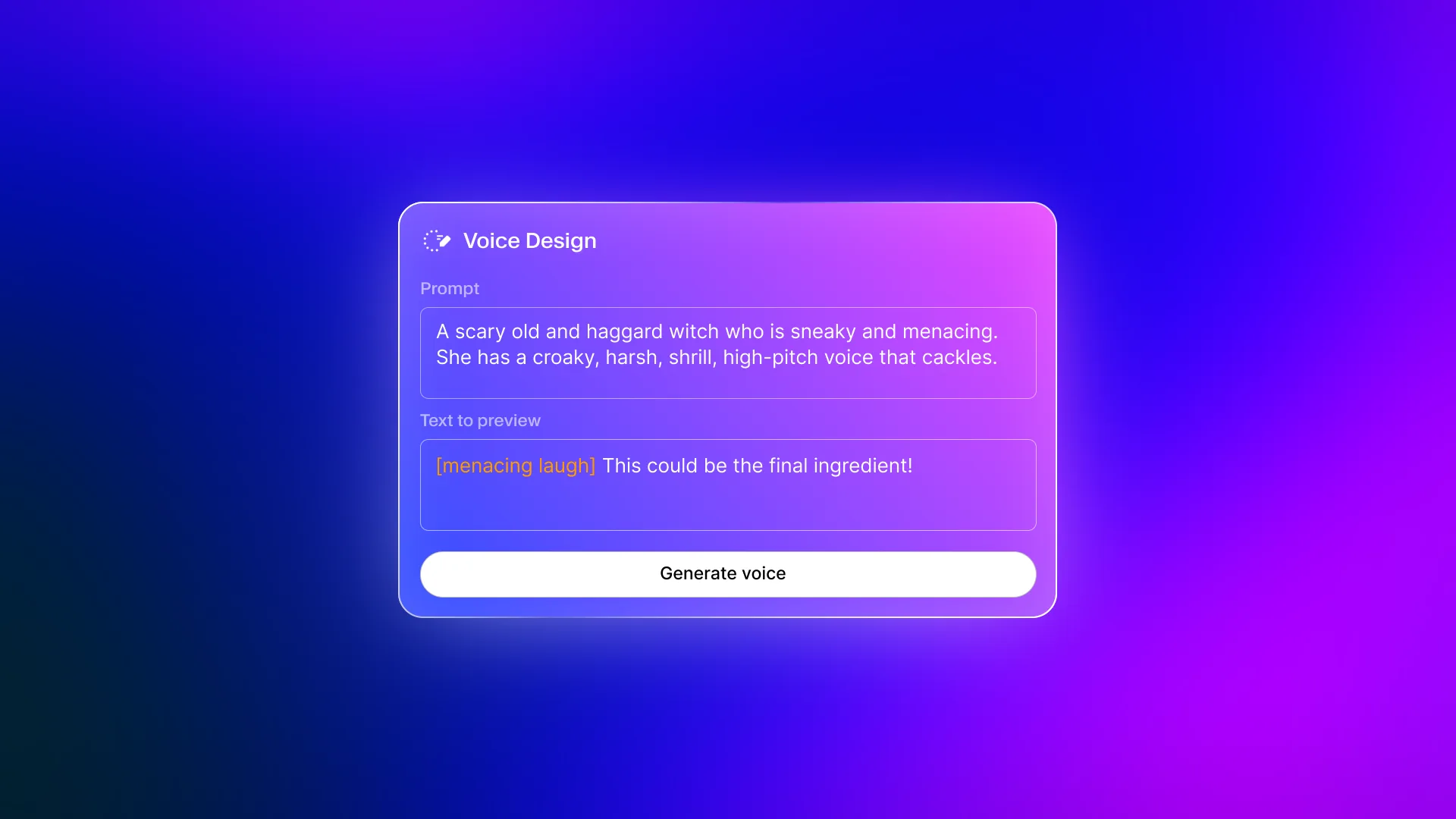
- Voice Design v3 Guide - Generate synthetic voices that do not raise consent issues
Related Reading
- ElevenLabs - Full tool review with pricing, ratings, and feature breakdown
- Best AI Voice Generators 2026 - How ElevenLabs compares to Murf, LOVO, WellSaid Labs, and others
- AI Video Marketing Guide - Using AI voice in video content strategies
External Resources
- ElevenLabs Safety Center - Platform usage policies, voice verification requirements, and safety reporting tools
- EU AI Act Reference - Authoritative source on biometric and synthetic-media classifications
- ALS Association - Voice banking partnerships for accessibility-focused voice preservation
Related Guides
- AI Video Creation Tips: 2026 Walkthrough for Teams
- AI Voiceover Corporate Training With WellSaid Labs
- AI Voiceover Tips: Making Synthetic Voices Sound Human
- ElevenLabs API Setup: Developer Quick Start Guide (2026)
- ElevenLabs Audio Native Embed Audio on Any Website
- ElevenLabs Audio Quality Settings: Pro Tips and Settings
- ElevenLabs Audiobook Creation: Long-Form Audiobook
- ElevenLabs Conversational AI Agents: Build Voice Agents
- ElevenLabs Dubbing Studio: Video Translation and Dubbing
- ElevenLabs eLearning Narration: E-Learning Course Narration