




The best AI tools for pharmacists in 2026 are ChatGPT, Notion, and Grammarly - a stack that automates documentation, knowledge management, and patient communications for under $45 per month combined. Administrative burden on the modern AI pharmacist has grown to the point where patient-facing time shrinks every year, and AI tools for pharmacists are part of the broader shift toward artificial intelligence in pharmacy practice.
This analysis draws on vendor documentation, peer-reviewed research, and independent pricing pages rather than sponsored placement. AI Productivity may earn a commission from links on this page; rankings remain editorially independent.
The tools covered here are not pharmacy-specific dispensing software. They are general-purpose AI productivity tools that slot into documentation, patient communication, and knowledge management. Whether you work in community pharmacy, hospital pharmacy, or AI for pharmacy students building clinical workflows early, these tools reclaim meaningful time each week. Broader context comes from McKinsey’s analysis of generative AI in healthcare, which estimates billions in administrative savings.
TL;DR: Best AI Tools for Pharmacists in 2026
ChatGPT, Notion, and Grammarly are the three best AI tools for pharmacists in 2026, with some teams layering in a Pharmacy AI chatbot for routine patient questions. Each tool targets a different part of the daily workload - client communication, document processing, or knowledge management - and the combined stack stays under $45 per month.
| Tool | Best For | Monthly Cost | Free Tier |
|---|---|---|---|
| ChatGPT | Drug interaction research, patient education drafts | $20/month (Plus) | Yes |
| Notion | SOPs, formulary wikis, knowledge management | $12/user/month | Yes |
| Grammarly | Patient letters, medication guides, communications | $12/month | Yes |
| IBM Micromedex | Clinical drug information database | Quote-based; see vendor pricing page | No |
| Lexicomp | Point-of-care drug reference | $150-$175/year | No |
Best starting point: ChatGPT delivers immediate value for drafting patient education materials and preparing counseling scripts - the free tier is enough to evaluate it before committing.
Why Pharmacists Need AI Tools in 2026
Pharmacists need AI tools because administrative work consumes roughly 30% of a typical shift in 2026, leaving less time for clinical care. The American Pharmacists Association puts that figure at about three hours per eight-hour day, and a study in the Journal of the American Pharmacists Association found that pharmacists who use structured documentation tools reduce medication error rates by up to 40%. Research from NCBI on AI in pharmacy practice showed AI-assisted patient education materials improved adherence rates by 25% compared to generic printouts.
“Generative AI could free up roughly one full workday per week for clinical pharmacists by absorbing repetitive documentation tasks,” according to a 2026 analysis by McKinsey & Company of healthcare administrative automation.
The specific pain points AI addresses in pharmacy practice:
- Drug interaction research - cross-referencing polypharmacy patients across databases
- Patient education gaps - generic printouts ignore literacy, language, and medication combinations
- SOP decay - pharmacy protocols live in binders that go out of date
- Adherence follow-up - patients who go silent between refills rarely receive outreach
- Regulatory documentation - compounding logs and DEA records demand writing AI can scaffold
None of these tools replace clinical judgment or specialized pharmacy software. They augment the documentation and communication layers where AI consistently saves time.
Limitations and who it’s not for: AI productivity tools cannot make clinical decisions, should not handle protected health information without a signed BAA, and introduce subscription costs that may not be justified at very low patient volumes. The FDA’s AI/ML software-as-medical-device guidance spells out where general AI ends and regulated clinical decision support begins. Skip this approach if your pharmacy already runs on a fully integrated dispensing system that handles documentation and communications natively.
1. ChatGPT: Drug Research Support and Patient Education
ChatGPT is a general-purpose AI assistant that drafts patient education materials, counseling scripts, and prior authorization letters in minutes rather than hours. It does not replace Micromedex or Lexicomp for authoritative clinical data, but it is remarkably useful for generating first drafts, summarizing complex topics for different literacy levels, and preparing patient-facing communications.
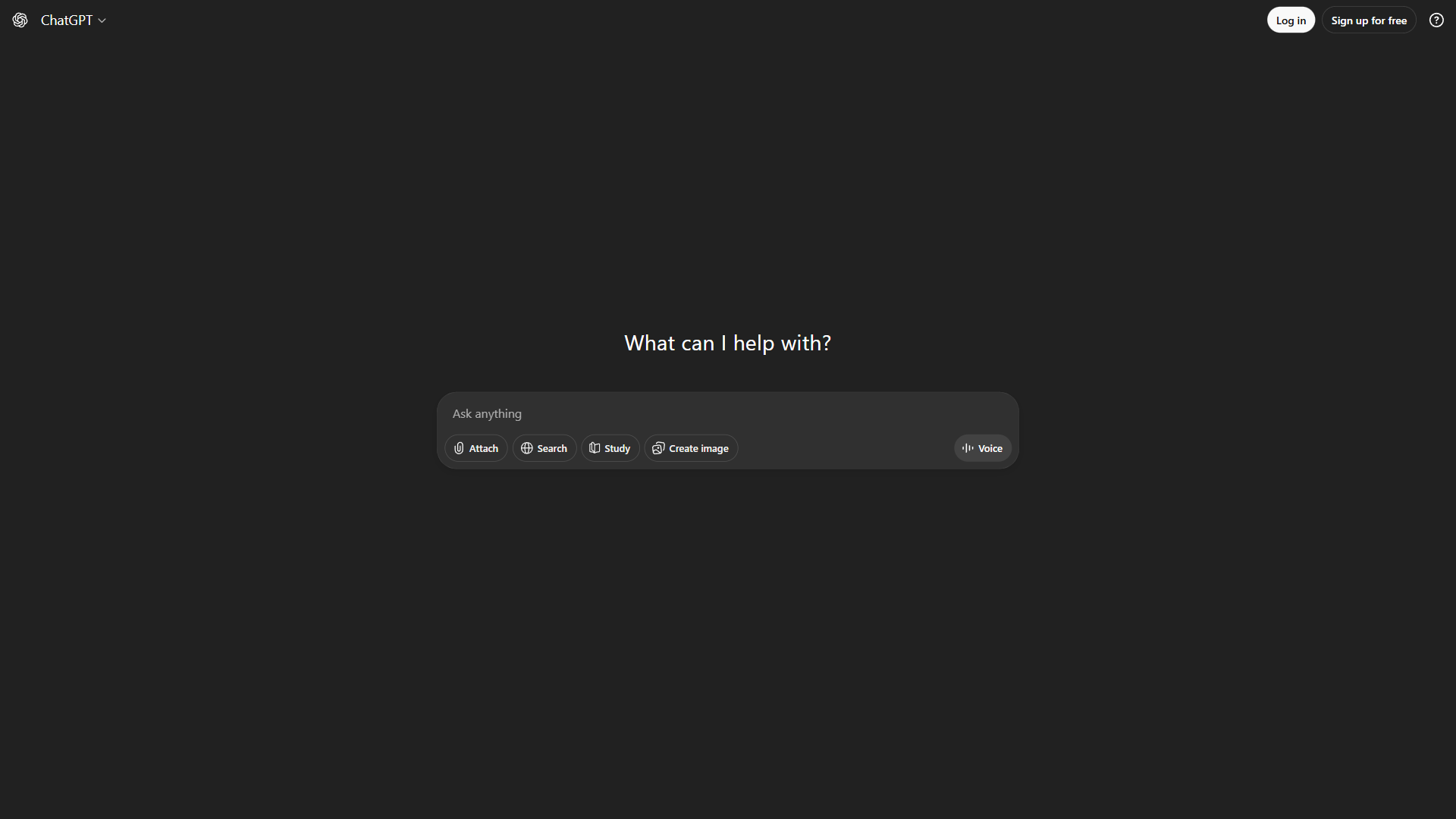
How Pharmacists Use ChatGPT
Patient education drafting. Translate clinical drug information into plain language at a sixth-grade reading level (the CDC plain language guidelines spell out exactly what that looks like). Adapt the output for specific conditions - a warfarin sheet for a patient who also has diabetes reads differently from a standard anticoagulation guide.
Counseling script preparation. Draft talking points that align with ASHP medication counseling guidelines - indication, dosing, side effects, food and drug interactions, and when to call the doctor.
Drug interaction summaries. ChatGPT does not replace a validated interaction database for clinical decisions, but it generates readable summaries of mechanisms and clinical significance before explaining to a prescriber or patient.
Prior authorization letters. Feed ChatGPT the drug name, indication, prescriber notes, and clinical criteria - it produces a structured draft letter that you edit rather than write from scratch.
Compounding log templates. ChatGPT generates structured templates for master formulation records and beyond-use dating logs aligned with USP 797 sterile compounding standards. Pair the drafting workflow with Paperguide to summarize PubMed studies before turning them into counseling notes.
Medication adherence reminder scripts. Prepare SMS or call scripts for patients on complex regimens - anticoagulants, HIV medications, transplant immunosuppressants - tailored to the medication class.
ChatGPT Pricing
| Plan | Monthly Cost | Best For |
|---|---|---|
| Free | $0 | Basic drafting, occasional use |
| Plus | $20/month | Heavy use, faster responses, GPT-4o access |
| Team | $30/user/month | Multi-pharmacist practices |
Recommendation: The free tier is sufficient for testing. For a busy pharmacist generating multiple patient education pieces and letters per week, Plus pays for itself in time saved within the first month.
Limitations and who it’s not for: ChatGPT hallucinates drug interactions and dosing data, so every output must be verified against Micromedex or Lexicomp before patient use. Standard ChatGPT plans are not HIPAA-compliant - skip them for any draft that contains a real patient identifier (use the ChatGPT Enterprise tier with a BAA, or a locally-hosted alternative). It is also not for pharmacists who lack the time to review every output.
2. Notion: Pharmacy Knowledge Base and SOP Management
Notion is a workspace that offers pharmacy teams a single, searchable home for SOPs, formulary wikis, and compliance records that would otherwise live in printed binders or one technician’s head. When that technician leaves or the Joint Commission comes calling, the gaps show immediately.
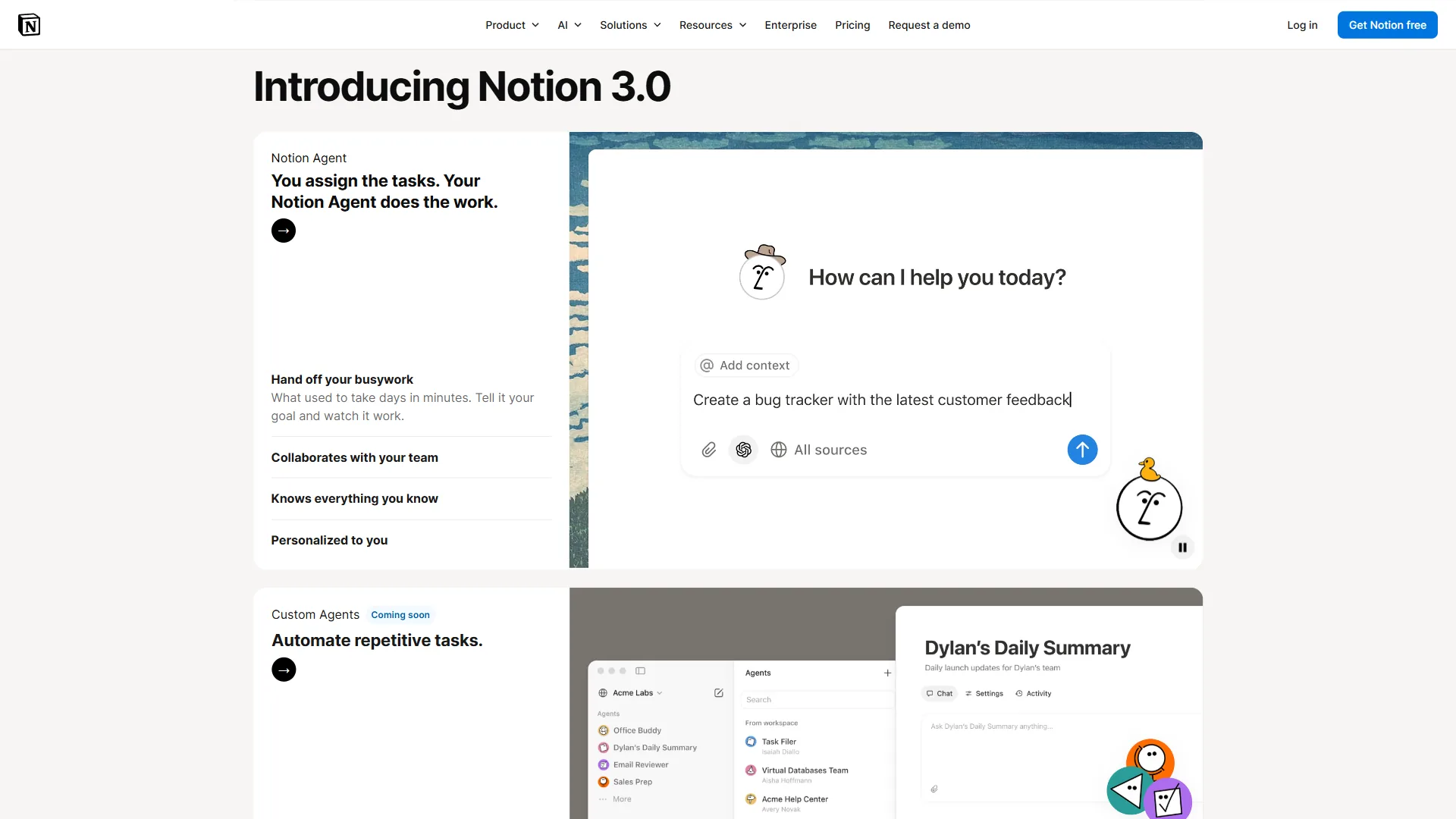
Notion combines wikis, databases, notes, and project management. For pharmacy teams, it serves as the repository where every protocol, policy, and procedure lives in a searchable, version-controlled format.
How Pharmacists Use Notion
SOP documentation and management. Build standard operating procedures as Notion pages with clear headings, numbered steps, and cross-references using Notion’s database templates. When USP standards update, you edit one page rather than reprinting binders.
Drug formulary wiki. Create a searchable database with columns for therapeutic class, tier, prior authorization requirements, alternatives, and prescriber notes.
Staff onboarding and training. New pharmacy technicians self-navigate a structured wiki covering opening and closing procedures, dispensing workflows, and controlled substance protocols - compressing weeks of informal onboarding into days.
Regulatory compliance tracking. Track DEA audit readiness, USP 797/800 compliance items, and accreditation requirements with reminder dates for recurring reviews.
Meeting notes and action items. Notion AI generates action item summaries automatically. Pair it with Notta when verbatim minutes matter, and review our AI knowledge management tools roundup for similar patterns.
Notion Pricing
| Plan | Monthly Cost | Best For |
|---|---|---|
| Free | $0 | 1-2 users, getting started |
| Plus | $12/user/month | Small pharmacy teams |
| Business | $18/user/month | Larger teams with admin controls |
Recommendation: The Plus plan at roughly $12 per user per month is the right starting point. Begin by documenting your five most frequently referenced procedures.
Limitations and who it’s not for: Default plans are not HIPAA-compliant, the editor has a learning curve, and migrating an entire SOP library is a months-long project that often stalls. Skip Notion if your team already lives in Microsoft SharePoint or Google Drive.
3. Grammarly: Professional Patient Communications at Scale
Grammarly is an AI writing assistant that offers quality and tone controls for every patient-facing communication a pharmacy produces - medication guides, adherence letters, refill reminders, insurance appeals, and educational handouts. Most of this writing currently gets done quickly and inconsistently, and the quality affects patient trust and adherence.
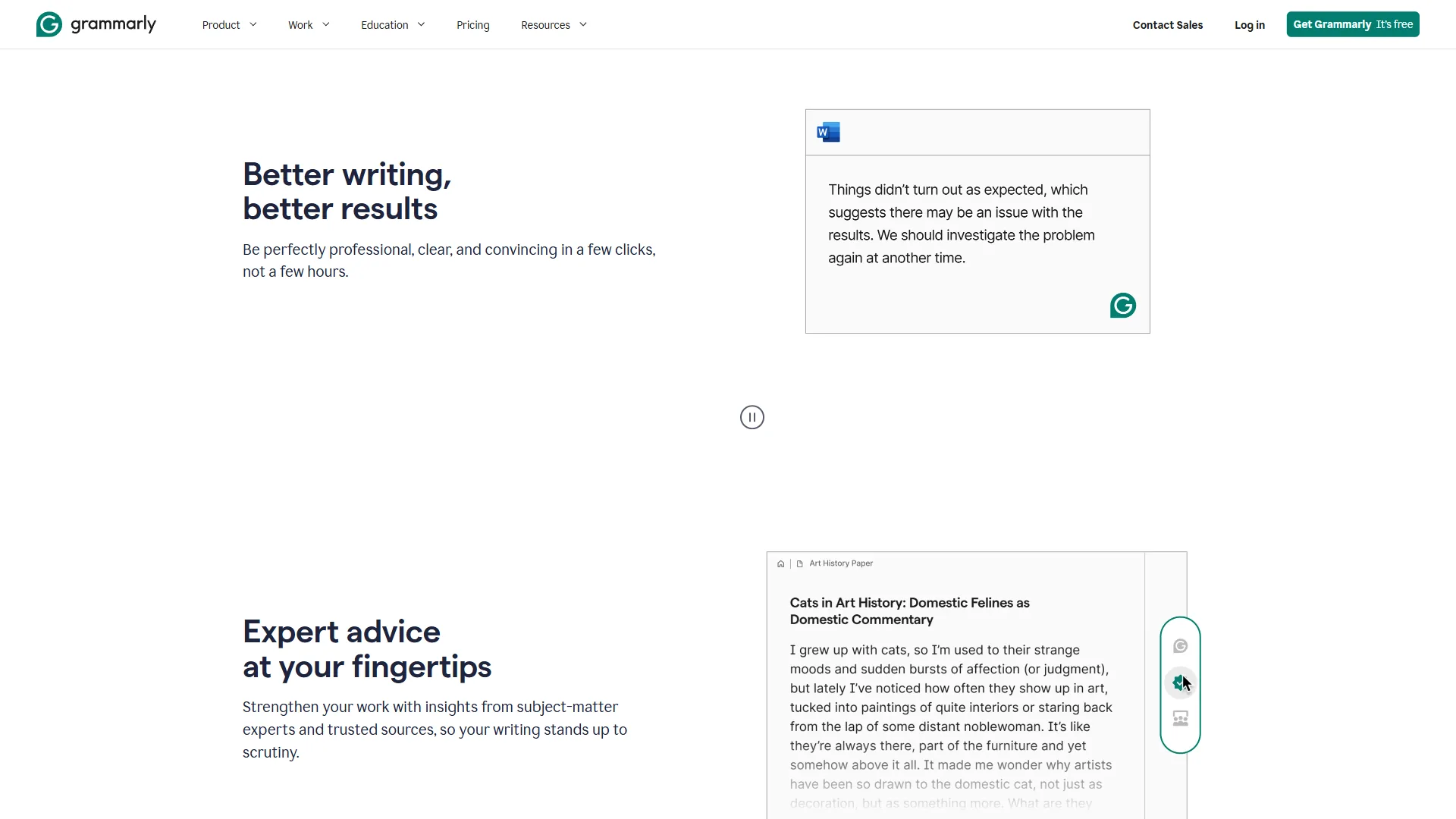
Grammarly is an AI writing assistant that checks grammar, adjusts tone, improves clarity, and generates drafts from prompts. It works as a browser extension and desktop app inside Gmail, Google Docs, and any web-based pharmacy communication tool.
How Pharmacists Use Grammarly
Medication guide simplification. FDA medication guides are written at a clinical reading level most patients cannot easily parse - Grammarly’s AI rewrites them in plain language while preserving accuracy.
Adherence reminder campaigns. Draft personalized reminder messages for high-risk medication classes. Grammarly’s tone goal-setting feature keeps messages warm and motivating rather than clinical.
Insurance appeal letters. Grammarly catches errors and strengthens appeal arguments before submission - especially when paired with the CMS appeals process documentation for Medicare-covered patients.
Patient counseling follow-up emails. Grammarly drafts post-counseling follow-up emails from bullet inputs, improving patient retention of key points.
Professional tone consistency. Grammarly Business sets brand voice guidelines so all team communications hit the same standard.
Grammarly Pricing
| Plan | Monthly Cost | Best For |
|---|---|---|
| Free | $0 | Basic error correction |
| Pro | $12/month | Individual pharmacist (billed annually) |
| Business | $15/user/month | Team use with brand guidelines |
Recommendation: Individual pharmacists get good value from Pro. Teams that want consistent communications across staff should invest in Business.
Limitations and who it’s not for: Grammarly sends drafts through cloud servers, so it is not appropriate for messages containing identifiable patient information without an Enterprise BAA. It occasionally flags clinical terminology as errors, and per-seat pricing scales quickly across a 5+ person team. Skip Grammarly if your team already uses Microsoft Editor inside Word and Outlook.
Which Pharmacy-Specific AI Tools Are Worth Knowing?
Pharmacy-specific AI platforms worth knowing in 2026 include IBM Micromedex, Lexicomp, Epic’s embedded pharmacy AI, and PharmaLex - each one targets clinical or regulatory work that general productivity tools cannot. Beyond general productivity tools, these specialized platforms address clinical pharmacy needs directly.
IBM Micromedex
IBM Micromedex is the gold standard for clinical drug information - comprehensive monographs, interaction checking, IV compatibility data, and dosing in renal and hepatic impairment. It is the authoritative reference in hospital and health-system pharmacies. General AI tools should never substitute for Micromedex on clinical decisions, but they can help explain Micromedex findings to patients or non-clinical staff.
Lexicomp
Lexicomp (Wolters Kluwer) is the point-of-care drug reference database favored in community and ambulatory pharmacy settings. It offers drug interaction checking, patient education monographs in multiple languages, and IV compatibility data. Individual practitioner licensing makes it accessible for independent pharmacists.
Epic AI and Pharmacy Clinical Decision Support
Hospital pharmacies running Epic have access to embedded AI features within the pharmacy module - AI-assisted prior authorization documentation, drug utilization review enhancement, and clinical decision support alerts. Epic’s pharmacy AI features continue to expand with each release.
PharmaLex
PharmaLex serves pharmaceutical companies and large health systems with regulatory affairs and quality management tools. For compounding pharmacies and specialty operations navigating FDA and state board compliance, PharmaLex provides structured regulatory documentation support that goes beyond general-purpose AI.
Limitations and who it’s not for: Micromedex pricing is enterprise-only and will not fit a single-store budget. Lexicomp has a less-comprehensive interaction database than Micromedex and a dated mobile UI. Epic’s pharmacy AI is restricted to organizations on the Epic EHR. PharmaLex is overkill for community pharmacy.
How Do You Build an AI-Powered Pharmacy Workflow?
An AI-powered pharmacy workflow requires three layers: a knowledge base in Notion, a drafting assistant in ChatGPT, and a writing reviewer in Grammarly, each mapped to a specific phase of the shift. The three primary tools combine across a shift like this:
- Before shift: Notion for outstanding tasks and prior authorizations; ChatGPT for a patient education draft; Grammarly to review queued communications.
- During patient interactions: ChatGPT for counseling summaries; Grammarly for follow-up emails sent at the counter; Notion to reference SOPs for compounding or controlled substance questions.
- Documentation and closing: Notion for compounding logs and protocol notes; ChatGPT for prior authorization letters; Grammarly for a final review of outgoing communications.
Limitations and who it’s not for: Context-switching between three apps mid-shift can be more disruptive than a single integrated dispensing system. Skip the orchestrated workflow if your team is short-staffed - adding steps to an overworked pharmacist creates friction, not relief.
Where Does AI Create Real Clinical Impact on Medication Adherence?
AI’s clinical impact on medication adherence is measurable in three areas: personalized outreach scripts, multilingual patient education, and faster refill-gap identification than manual review. Medication non-adherence costs the US healthcare system an estimated $300 billion annually, and a JAMA Network Open analysis of AI in clinical decision support found measurable adherence gains when pharmacist outreach was paired with AI-drafted communications.
AI-generated adherence scripts: ChatGPT creates personalized outreach scripts per medication class - a script for a new antidepressant should be warmer than one for a blood-pressure refill.
Multi-language patient education: Grammarly and ChatGPT draft patient materials in Spanish, Mandarin, or Vietnamese that would otherwise require costly translation. The AHRQ health literacy toolkit pairs well with AI translation drafts.
Refill gap identification: A Notion database of patients on high-adherence-risk medications with their last refill date creates a systematic intervention list. Our AI tools for chiropractors guide expands on similar workflow patterns.
Limitations and who it’s not for: Generated scripts read as impersonal without pharmacist editing, multilingual drafts need a native-speaker review, and refill-gap tracking depends on what your pharmacy management system exports. Skip this approach if you lack a workflow for human review before patient outreach.
Best Picks by Use Case for Pharmacists
The best starting tool depends on the work that eats most of your week.
Start with ChatGPT if: you write patient education materials regularly, handle complex polypharmacy counseling, or draft prior authorization letters more than twice a week.
Start with Notion if: your SOPs are scattered across binders and emails, staff turnover and onboarding are inconsistent, or you want a centralized hub for formulary management and compliance tracking.
Start with Grammarly if: patient-facing communication quality varies across your team, you write frequent appeal letters, or you want to improve communication consistency without a large time investment.
The Bottom Line
The best AI tools for pharmacists are not replacements for clinical databases - they are productivity layers that handle documentation, communication, and knowledge management.
ChatGPT excels at drafting patient education materials, counseling scripts, and prior authorization letters. Notion transforms scattered pharmacy protocols into a searchable, maintainable system. Grammarly raises the quality of every patient-facing communication.
Together, these three tools address administrative overhead that clinical training never prepared you for - and at a combined cost under $45 per month, ROI is measurable within the first week. See our AI tools for dentists breakdown for a near-identical stack in a different clinical setting.
FAQ
The FAQ entries below are direct answers to the five most common questions pharmacists ask before adopting an AI productivity stack.
Q: What are the best AI tools for pharmacists in 2026?
The top AI tools for pharmacists in 2026 are ChatGPT, Notion, and Grammarly. Combined cost stays under $45 per month, with measurable time savings within the first week.
Q: Can AI tools replace clinical drug databases like Micromedex or Lexicomp?
No. General AI tools should never substitute for Micromedex or Lexicomp on clinical decisions. AI tools like ChatGPT are useful for drafting patient-friendly explanations, but authoritative clinical decisions require validated interaction databases.
Q: How much time do administrative tasks consume in a pharmacist’s shift?
Administrative tasks consume roughly 30% of a typical pharmacist’s shift, according to the American Pharmacists Association. Research also shows pharmacists who use structured documentation tools reduce medication error rates by up to 40%.
Q: Which AI tool should a pharmacist start with first?
Start with ChatGPT if you regularly write patient education materials or draft prior authorization letters. Choose Notion if your SOPs live scattered across binders. Pick Grammarly if patient-facing communication quality varies across your team.
Q: Is the free tier of ChatGPT enough for pharmacy use?
The free tier of ChatGPT is sufficient for testing. For a busy pharmacist generating multiple patient education pieces per week, the Plus plan at $20 per month pays for itself within the first month.
Related Reading
The articles below extend the same productivity patterns into adjacent clinical and professional fields.
- Best AI Tools for Dentists - AI productivity tools for dental practice management
- Best AI Tools for Chiropractors - Streamline chiropractic practice administration with AI
- Best AI Legal Research Tools - AI tools for documentation and research in professional practice
- ChatGPT - The AI assistant pharmacists use for patient education drafts and prior auth letters
- Notion - The knowledge hub for pharmacy SOPs, formulary wikis, and staff training
- Grammarly - AI writing assistant for professional patient communications
External Resources
The resources below are authoritative primary sources for pharmacy regulation and standards cited throughout this guide.
- American Pharmacists Association - Patient Care Services - APA guidance on clinical pharmacy services and patient care standards
- USP General Chapter 797 - Official USP standards for pharmaceutical compounding of sterile preparations
- DEA Diversion Control Division - Official DEA guidance on controlled substance regulations for pharmacies