
Anthropic Academy is the best free AI learning resource available in 2026 - and it is not particularly close. Launched on March 2, 2026, the platform offers 13+ self-paced courses covering basic Claude usage through production API deployments and MCP server development. Every course is free, requires only an email to enroll, and awards an official Anthropic certificate on completion. No subscription, no credit card, no hidden upsells.
This guide ranks every Anthropic Academy course, explains who each one is for, and maps the fastest path from beginner to certified Claude developer.
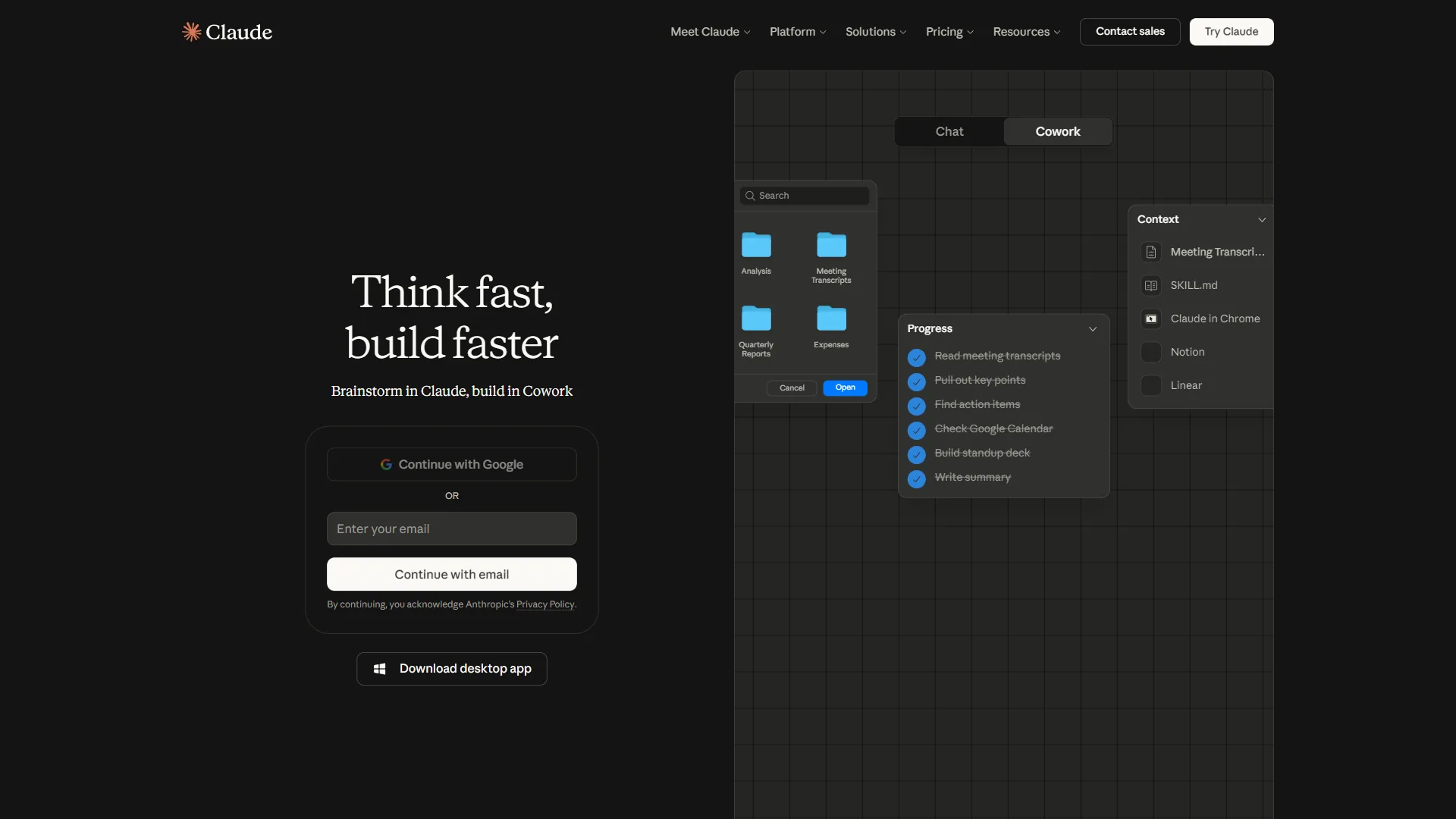
What Is Anthropic Academy?
Anthropic Academy is the official free learning platform from Anthropic, the company that builds Claude, offering 13+ self-paced courses with certificates hosted on the Skilljar learning management system. Courses include video lessons, quizzes, hands-on exercises, and certificates of completion you can add to LinkedIn.
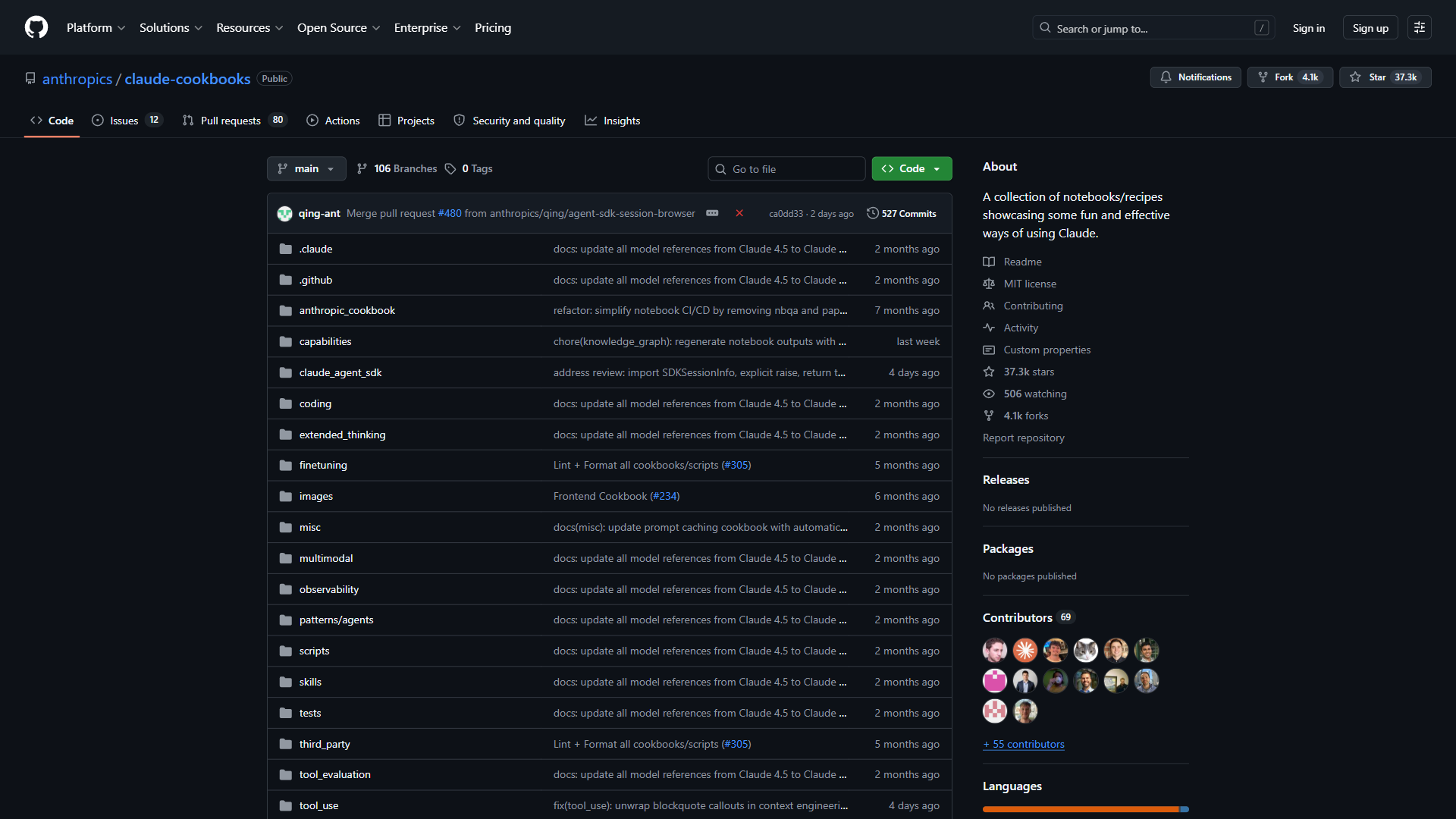
The platform launched March 2, 2026 with 13 courses across three tracks; newer additions like Introduction to Claude Cowork bring the total above 15 as of April 2026. Independent coverage from Analytics Vidhya’s review of free Anthropic AI courses, the open-source Anthropic courses repository on GitHub, and I-Programmer’s launch coverage confirms the catalog and provides accompanying code samples.
Our analysis draws on Anthropic’s published course catalog, Skilljar platform documentation, and the official Anthropic Academy launch announcement; we have not independently completed every course. This guide is editorially independent - we earn no commission from Anthropic Academy enrollments, and Claude for Desktop links may be affiliate links.
Anthropic, the company that builds Claude, said the Academy is “designed to help people get more out of Claude, whether they are just getting started or building production applications” - a curriculum scoped from beginner literacy to production engineering.
Whether searchers arrive looking for anthropic academy certification, anthropic academy login, the anthropic academy claude code track, or the anthropic academy claude 101 starter, every option in the catalog of anthropic academy free courses is one of 14+ courses with certificates awarded by Anthropic.
Why It Matters
Most AI education comes from third parties repackaging documentation; Anthropic Academy courses are built by the engineers and educators who build Claude, so the curriculum reflects actual best practices. The certificates also carry weight generic Udemy or Coursera completions do not, since they come from the model provider itself. The Claude vs ChatGPT 2026 comparison shows how Claude differentiates itself.
The Three Learning Tracks
Anthropic Academy is structured into three learning tracks: AI Fluency for non-technical users, Product Training for general Claude users, and Developer Deep-Dives for engineers building on the Claude API. Each track targets a different audience and technical depth:
| Track | Audience | Technical Level | Courses |
|---|---|---|---|
| AI Fluency | Everyone | Non-technical | 5 courses |
| Product Training | All Claude users | Beginner-Intermediate | 3-4 courses |
| Developer Deep-Dives | Engineers & developers | Intermediate-Advanced | 5 courses |
Tracks are ordered within each category, but there are no hard prerequisites - a developer can jump straight to the API course.
Every Anthropic Academy Course, Ranked
The complete Anthropic Academy catalog includes 14+ free Claude courses with certificates, ranked here by practical value across content depth, career relevance, and time-to-value ratio. A 2026 Class Central listing tracks 20+ Anthropic Academy courses including audience variants, making this the largest catalog of free vendor-built Claude training available.
Tier 1: Essential (Take These First)
1. Building with the Claude API
| Detail | Info |
|---|---|
| Track | Developer Deep-Dives |
| Duration | 8+ hours (84 lectures, 10 quizzes) |
| Difficulty | Intermediate |
| Best For | Developers integrating Claude into applications |
The flagship course and single most valuable resource on the platform. It covers the full Claude API lifecycle - from message requests through streaming, tool use, prompt caching, extended thinking, and production deployment patterns - across 84 lectures and 8+ hours. The course walks through real Python and TypeScript examples covering error handling, retry logic, rate limiting, and batching. If you plan to build anything with Claude beyond chat, start here.
2. Claude Code in Action
| Detail | Info |
|---|---|
| Track | Developer Deep-Dives |
| Duration | ~1 hour |
| Difficulty | Beginner-Intermediate |
| Best For | Developers who write code daily |
Claude Code in Action covers practical Claude Code workflows - reading files, running commands, editing code, managing context windows, and automating multi-step tasks - in roughly one hour, making it the fastest high-value course on the platform. The Claude Code vs Cursor 2026 comparison shows where each tool fits in modern engineering workflows, and developers who already use Claude for Desktop will find the terminal-based Claude Code approach complementary.
3. Claude 101
| Detail | Info |
|---|---|
| Track | Product Training |
| Duration | ~1 hour |
| Difficulty | Beginner |
| Best For | Anyone new to Claude |
Claude 101 is the starting point for everyone. It builds a working mental model of what Claude is, what it can and cannot do, and how to get value from it immediately, covering Artifacts, Projects, conversation management, and prompt strategies. The one-hour format leaves you with patterns you can apply the same day - anyone using Claude casually without understanding its full feature set will find immediate gains here.
Tier 2: High Value (Take Based on Your Role)
4. Introduction to Model Context Protocol (MCP)
| Detail | Info |
|---|---|
| Track | Developer Deep-Dives |
| Duration | ~2-3 hours |
| Difficulty | Intermediate |
| Best For | Developers building tool integrations |
MCP is the protocol that lets Claude interact with external services, databases, and APIs - documented in the official MCP specification. This course takes you from zero to building MCP servers and clients in Python, covering the three core primitives (tools, resources, prompts), with practical exercises that have you building working MCP servers by the end. Essential for anyone building agentic Claude applications.
5. Model Context Protocol: Advanced Topics
| Detail | Info |
|---|---|
| Track | Developer Deep-Dives |
| Duration | ~2-3 hours |
| Difficulty | Advanced |
| Best For | Developers deploying MCP in production |
The advanced MCP course covers production-grade patterns - sampling, notifications, file access, transport mechanisms, and server-client communication - moving from “build your first MCP server” to “deploy MCP in a production environment.” The Claude Code MCP servers guide walks through real-world integrations. Take this after the introductory MCP course; together they provide the most comprehensive MCP training available.
6. Introduction to Agent Skills
| Detail | Info |
|---|---|
| Track | Developer Deep-Dives |
| Duration | ~1-2 hours |
| Difficulty | Intermediate |
| Best For | Claude Code power users |
This course teaches you to build, configure, and share reusable Skills in Claude Code - markdown-based instructions with SKILL.md frontmatter that Claude automatically applies to the right tasks. For teams using Claude Code across multiple developers, Skills standardize how Claude approaches common tasks and bridge casual use with a systematic AI-augmented development workflow.
7. Introduction to Claude Cowork
| Detail | Info |
|---|---|
| Track | Product Training |
| Duration | ~1 hour |
| Difficulty | Beginner |
| Best For | Non-developers who work with files and documents |
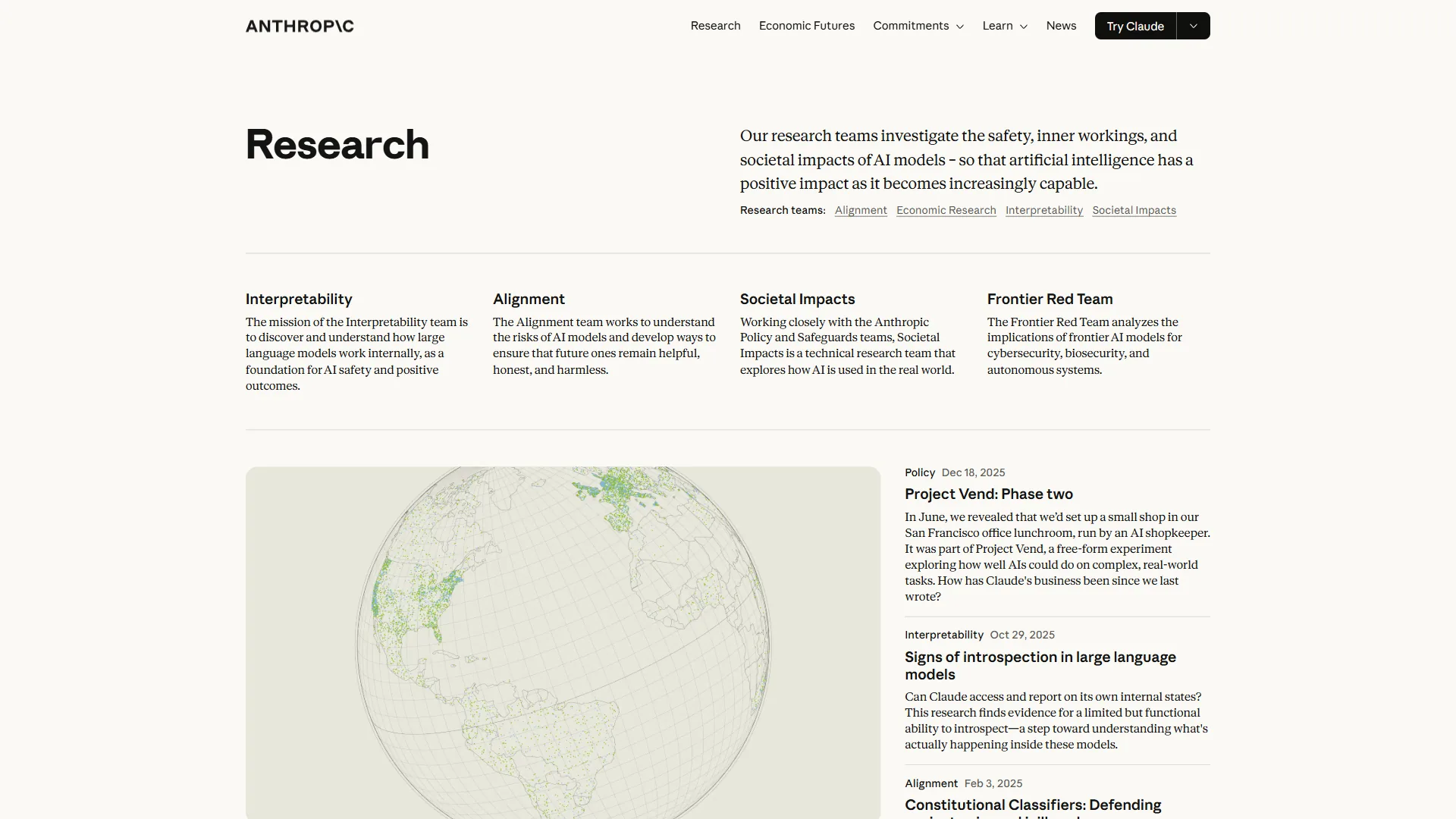
A newer addition covering Claude Cowork - working directly with files, folders, and apps on your machine. Where Chat is a conversation, Cowork is a working session where Claude plans and executes multi-step tasks while you steer, with content on the task loop, plugins, skills, file workflows, and responsible task steering. Particularly valuable for product managers, analysts, and researchers.
8. AI Fluency: Framework and Foundations
| Detail | Info |
|---|---|
| Track | AI Fluency |
| Duration | ~2-3 hours |
| Difficulty | Beginner |
| Best For | Managers, team leads, non-technical professionals |
Built in partnership with academic experts, this course teaches the fundamental framework for thinking about AI strategically - what AI systems can and cannot do, how to evaluate outputs critically, and how to integrate AI into professional workflows responsibly. The course to recommend to colleagues asking “but what should I actually use AI for?”
Tier 3: Specialized (Take If Relevant to Your Work)
9-10. Cloud Deployment Courses (Bedrock and Vertex AI)
Two 3-4 hour Intermediate Product Training courses cover Claude deployment on hyperscalers - take whichever matches your stack, skip otherwise:
- Claude with Amazon Bedrock - Claude API integration through Amazon Bedrock’s Claude offering, including RAG pipelines, tool use, extended thinking, prompt caching, MCP, Claude Code, and Computer Use.
- Claude with Google Cloud Vertex AI - Claude deployment through Vertex AI’s Claude integration - API access, tool use, RAG, and MCP within GCP.
11-14. AI Fluency Audience Variants
Four 1-2 hour AI Fluency courses (Beginner) tailor the core framework to specific audiences:
| # | Course | Best For |
|---|---|---|
| 11 | AI Fluency for Students | University and college students - academic integrity, research assistance, employer-valued AI skills |
| 12 | AI Fluency for Educators | Faculty and instructional designers applying AI fluency to teaching practice |
| 13 | Teaching AI Fluency (~2 hours, Beginner-Intermediate) | Academic faculty who teach AI fluency in instructor-led classrooms |
| 14 | AI Fluency for Nonprofits | Nonprofit professionals - practical AI for resource-constrained organizations |
Recommended Learning Paths
Recommended Anthropic Academy paths depend on role: developers follow a 15-20 hour API and MCP sequence, product managers a 4-6 hour fluency and Cowork path, and team leads a 3-5 hour strategy and cloud-deployment route. Here are the three optimized routes:
Path 1: Developer (15-20 hours)
Claude 101 → Building with the Claude API → Claude Code in Action
→ Intro to MCP → MCP Advanced Topics → Agent Skills
Zero to production Claude applications with MCP integrations and Skills. The API course is the core 8+ hour investment; everything else builds on it.
Path 2: Product Manager or Analyst (4-6 hours)
Claude 101 → AI Fluency: Framework & Foundations
→ Introduction to Claude Cowork
Practical Claude usage, strategic AI thinking, and file-based workflows. Skip the developer courses unless you plan to learn the API.
Path 3: Team Lead or Manager (3-5 hours)
AI Fluency: Framework & Foundations → Claude 101
→ Cloud course (Bedrock or Vertex, if applicable)
Strategic understanding and platform-specific deployment knowledge for infrastructure decisions.
How Do the Anthropic Academy Certificates Work?
Anthropic Academy certificates are issued by Anthropic through the Skilljar platform after a learner passes a course’s final quiz, include a unique verification URL, can be added directly to LinkedIn, and do not expire. Here is what to know:
- Issuer: Certificates are issued by Anthropic through the Skilljar platform
- Verification: Each certificate includes a unique verification URL
- LinkedIn integration: Certificates can be added directly to your LinkedIn profile as credentials
- No expiration: Course completion certificates do not expire (the CCA-F professional certification is separate and expires after 2 years)
- Requirements: Complete all video modules and pass the final quiz
These certificates hold more weight than typical online course completions because they come directly from the model provider - “Anthropic Academy - Building with the Claude API” on a resume signals Claude expertise validated by Anthropic itself.
Academy Courses vs. the CCA-F Certification
Anthropic Academy also offers the Claude Certified Architect - Foundation (CCA-F) exam - a separate professional certification with proctored testing and a 2-year validity period. The Academy courses serve as preparation material for the CCA-F exam; see the Claude Certified Architect prep guide for a detailed breakdown.
How Do You Enroll in Anthropic Academy?
Anthropic Academy enrollment requires only an email and takes under two minutes - visit anthropic.skilljar.com, create a free Skilljar account, then click “Enroll” on any course in the catalog. No credit card and no Claude subscription are needed. The full flow:
- Visit anthropic.skilljar.com
- Create a free Skilljar account with your email
- Browse the course catalog and click “Enroll” on any course
- Complete modules at your own pace
- Pass the final assessment to earn your certificate
No Anthropic account, Claude subscription, or API key is needed. Courses are self-paced with no deadlines.
Tips for Getting the Most from Anthropic Academy
The best Anthropic Academy tips include completing hands-on exercises rather than passively watching videos, splitting the 8-hour API course across multiple sessions, and pairing the AI Fluency track with Claude 101 for a complete strategic and practical foundation.
Do the exercises, not just the videos. The developer courses include hands-on coding exercises that reinforce concepts far better than passive watching, with the API course designed around progressive builds.
Take the API course over multiple sessions. At 8+ hours, completing it in one sitting leads to diminishing returns - spread it across a week at 1-2 hours per session. The which Claude model for coding walkthrough is a useful primer.
Pair the AI Fluency track with Claude 101. The Fluency course gives the strategic framework, while Claude 101 gives the practical skills - together they create a more complete foundation than either alone.
Use Claude while taking the courses. Keep Claude for Desktop open while working through lessons; testing concepts in real time accelerates learning.
The Bottom Line
Anthropic Academy is a rare case of a company giving away genuinely valuable training with no strings attached - the developer courses, particularly Building with the Claude API and the MCP sequence, would justify hundreds of dollars in pricing.
For developers, Claude 101 → API course → Claude Code in Action → MCP courses provides 15-20 hours covering the full Claude development stack (the AI pair programming guide covers complementary workflows). For non-technical professionals, AI Fluency + Claude 101 delivers practical skills in under 5 hours (the best AI assistants 2026 roundup is a useful next step). Start with Claude for Desktop to follow along.
Browse Anthropic Academy courses (free)FAQ
Q: Is Anthropic Academy free?
Yes. Anthropic Academy is completely free - every one of the 13+ self-paced courses requires only an email to enroll, with no Claude subscription, credit card, or hidden upsells, and each course awards an official Anthropic certificate on completion.
Q: How much does it cost to get Claude certified?
Getting Claude certified through Anthropic Academy costs nothing. The platform offers 13+ self-paced courses covering basic Claude usage through production API and MCP server development, and Anthropic issues an official LinkedIn-ready certificate on completion at no charge.
Q: Is Anthropic Skilljar legit?
Yes. Anthropic Academy is the official learning platform from the company behind Claude, hosted on Skilljar, with video lessons, quizzes, hands-on exercises, and completion certificates.
Q: When did Anthropic Academy launch?
Anthropic Academy launched on March 2, 2026 with 13 self-paced courses across three tracks. The catalog has grown since launch; as of April 2026 newer courses like Introduction to Claude Cowork bring the total above 15 across AI Fluency, Product Training, and Developer Deep-Dives.
Related Reading
Related Anthropic Academy guides include coverage of CCA-F certification, Claude Code coding workflows, and Claude model selection - the four picks below extend the learning path with deeper detail:
- Claude Certified Architect: Prep Guide and Exam Tips - detailed breakdown of the CCA-F professional certification exam
- Claude Code vs Cursor: Which AI Coding Tool Wins in 2026? - comparing Claude Code with the leading AI code editor
- The Future of AI Coding Assistants: 2026 and Beyond - where AI development tools are heading next
- Which Claude Model for Coding? - choosing the right Claude model for your development work
- Claude for Desktop Review
External Resources
Primary Anthropic Academy resources include the Skilljar course platform, Anthropic’s broader learning hub, and the open-source course code on GitHub - listed below in order of practical usefulness:
- Anthropic Academy on Skilljar - official course platform
- Anthropic Learning Resources - documentation and guides from Anthropic
- Anthropic Courses on GitHub - open-source educational materials and code examples