




Remote collaboration tools are software platforms that let distributed teams communicate, co-edit documents, manage projects, and meet without sharing an office - and in 2026, the shift to remote and hybrid work has made them essential rather than a temporary fix. The challenge is not just staying connected, it is maintaining the spontaneous collaboration, quick feedback loops, and cultural cohesion that happen naturally in an office.
The right collaboration stack can make a distributed team more productive than it ever was in person. Tools like Google Workspace with Gemini AI have turned remote collaboration into a competitive advantage, and companies using comprehensive platforms report 14% productivity gains and save employees an average of 1.5 hours per week.
This guide breaks down what actually matters in remote collaboration tools - covering remote collaboration tools free picks, free collaboration tools for remote teams, remote collaboration tools examples, the best online collaboration software for 2026, and the top collaboration tools for distributed teams - and helps you build a stack that fits your team’s specific needs.
What Makes a Great Remote Collaboration Tool?
A great remote collaboration tool combines real-time co-editing, async-first communication, deep workflow integrations, invisible AI assistance, and enterprise-grade security in a platform that reduces cognitive load rather than adding to it. The criteria below separate genuinely useful platforms from glorified chat apps.
Real-time collaboration is not optional. Tools must support simultaneous editing of the same document, spreadsheet, or presentation - table stakes, not a nice-to-have.
Async-first design matters. Great tools serve someone leaving a comment at 11 PM as well as someone on a 2 PM call - reliable commenting, video messaging, and notification control.
Integration depth determines productivity gains. A tool that does not talk to anything else creates more friction than it solves - Slack’s 2,400+ app integrations exist for a reason.
AI assistance should feel invisible. The newest tools include AI that genuinely saves time - smart compose, meeting summaries, intelligent search - integrated smoothly enough that you barely notice.
Security is not an afterthought. Two-factor authentication, granular permissions, audit logs, and SOC 2 / GDPR / HIPAA certifications should be standard, not upsells.
The platform should reduce cognitive load. The question is not “does this tool have features” but “does it eliminate more friction than it creates?”
Google Workspace: The All-in-One Collaboration Hub
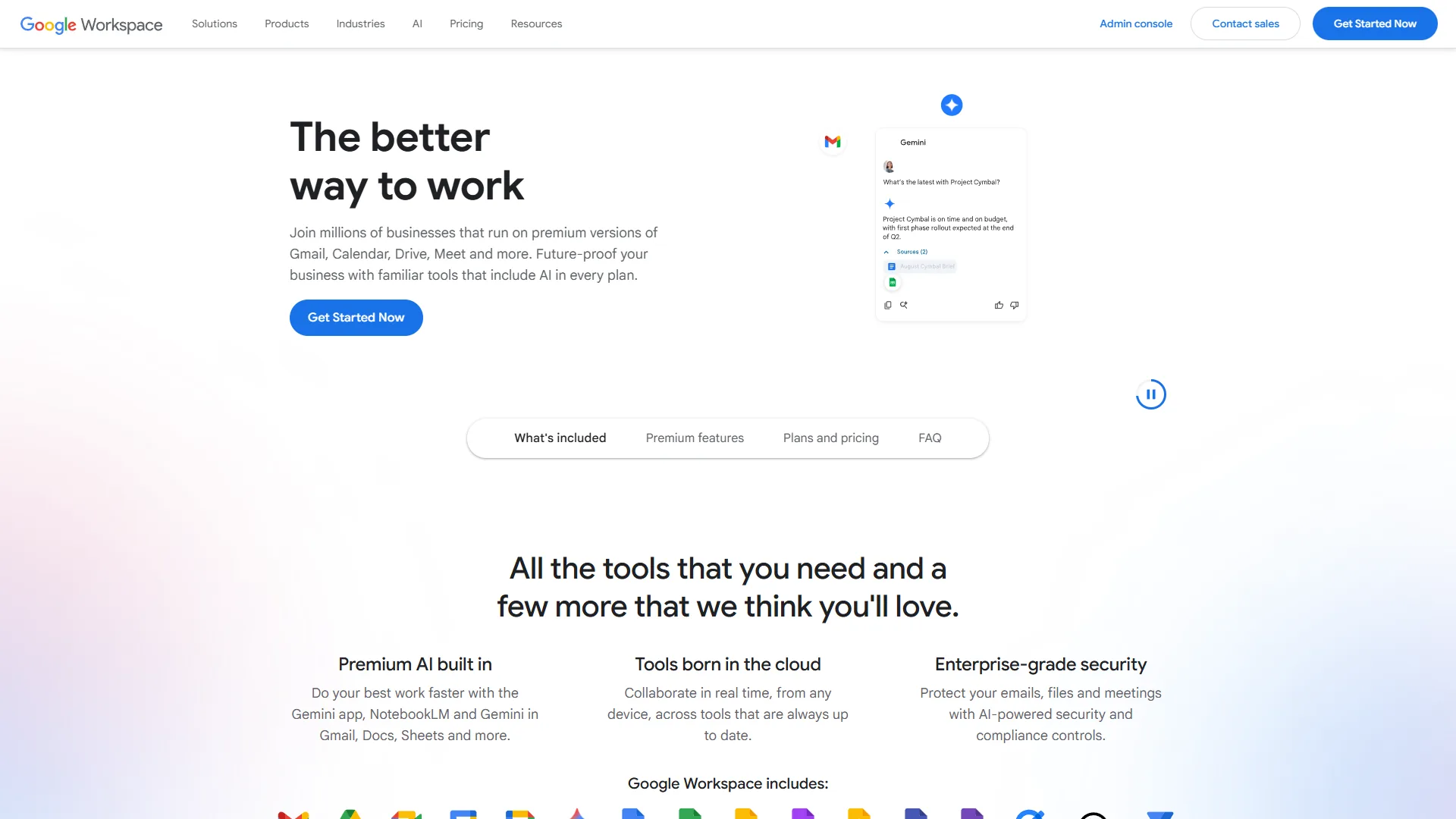
Google Workspace is the all-in-one collaboration hub most distributed teams should build their stack around, because it handles roughly 80% of what remote teams need - documents, video, storage, and email - in a single, deeply integrated platform. It is the foundation to start from, not because it is trendy, but because that integration depth is hard for competitors to replicate.
Why Google Workspace Works for Remote Teams
Everything connects to everything else. Drafting a proposal in Google Docs, you can pull in Sheets data, attach Drive files, schedule a Calendar review, and share via Gmail without leaving the document.
Real-time collaboration that works at scale. Google Docs remains the gold standard a decade later, supporting 100 people editing one document without performance degradation, plus suggestion mode, version history, and threaded comments.
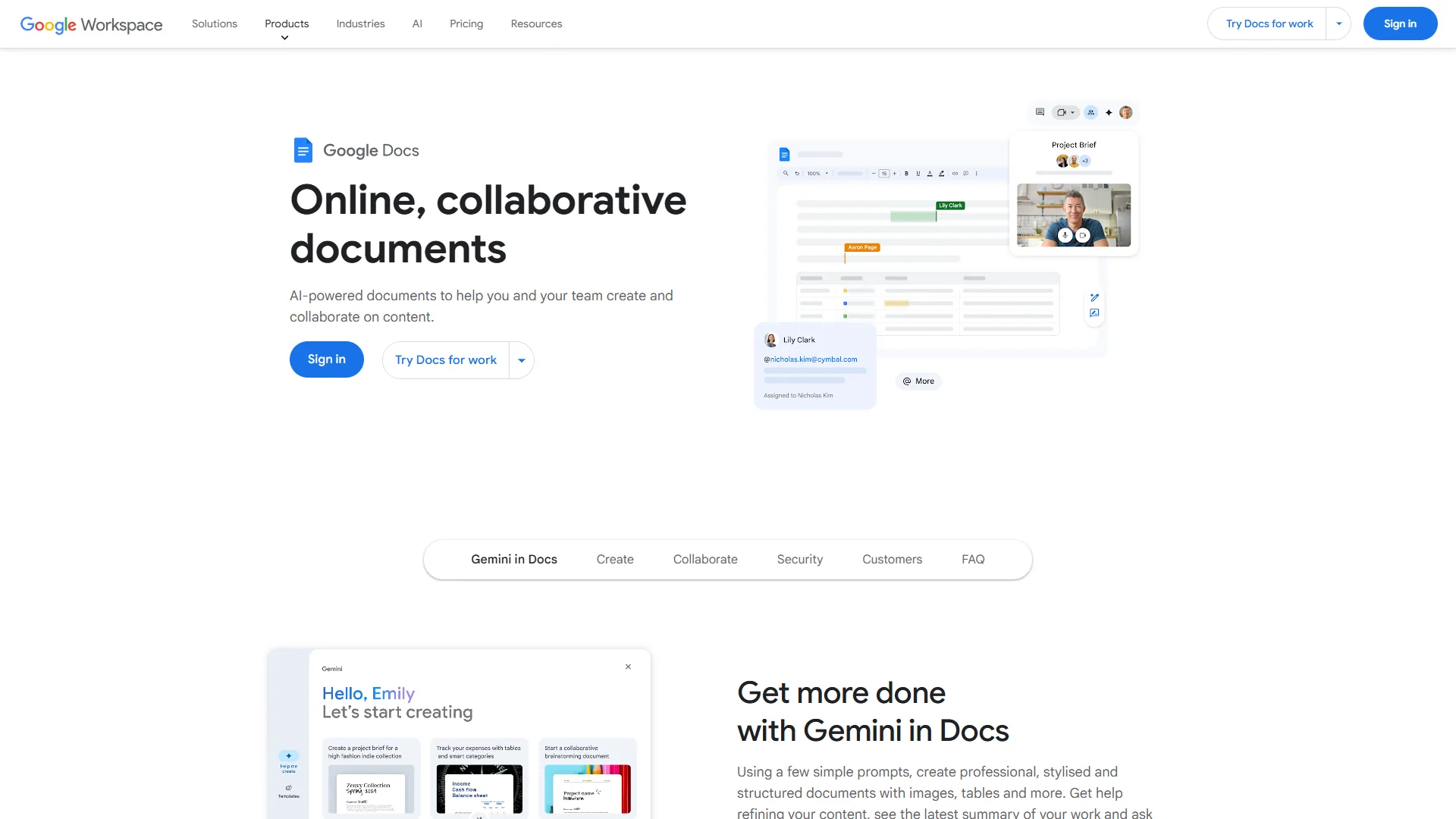
These features matter more as teams grow. A five-person startup gets by with simpler tools, but coordinating a quarterly review with 40 stakeholders across six time zones demands this capability.
Gemini AI across the entire platform. Gemini brings Smart Compose to Gmail, drafting and summarizing to Docs, natural-language formulas to Sheets, and real-time transcription to Meet - integrated at the platform level so it understands context across applications.
Video conferencing included. Google Meet ships with every Workspace plan: up to 500 participants on higher tiers, recording saved to Drive, live captions in 16 languages, noise cancellation, and breakout rooms.
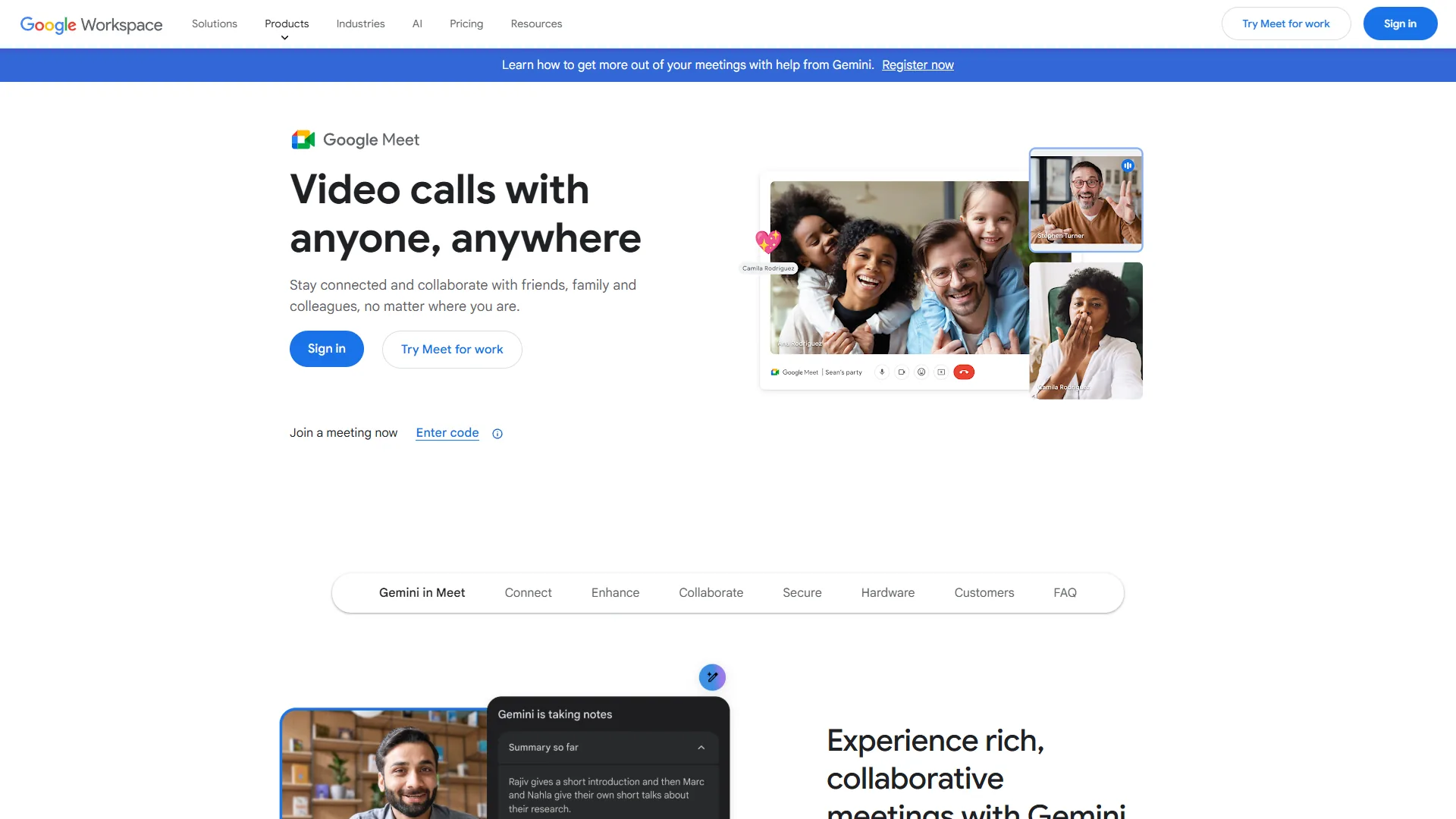
Meet’s biggest advantage is integration: scheduling a Calendar meeting auto-creates a Meet link, and recordings land in Drive - eliminating tool-switching friction.
Pricing and ROI Reality Check
Google Workspace pricing is straightforward:
- Business Starter: $8.40 per user/month - 30GB storage, basic Meet features, standard security
- Business Standard: $16.80 per user/month - 2TB storage, recording, attendance tracking, enhanced security
- Business Plus: $26.40 per user/month - 5TB storage, advanced Meet features, enhanced security controls
- Enterprise: Custom pricing - unlimited storage, advanced AI features, premium support
For most distributed teams, Business Standard hits the sweet spot - $16.80 per user looks steep next to free alternatives, but productivity gains justify it quickly.
A Forrester Total Economic Impact study found that organizations using Google Workspace achieved a 336% ROI over three years, with 14% productivity gains and an average of 1.5 hours saved per employee each week. For a 50-person team at $100,000 fully-loaded cost per employee, that is $360,000 in annual productivity gains against $10,080 in annual Workspace costs.
Those gains come from less time searching for files, fewer version control errors, and faster review cycles - and the ROI compounds as teams scale.
“Knowledge workers spend an average of 20% of their week searching for internal information or tracking down colleagues who can help with specific tasks.”
According to the McKinsey Global Institute, a leading management research firm, that lost 20% is precisely the friction an integrated suite removes, which is why consolidated platforms post stronger ROI than fragmented stacks.
Real Organizations Using Google Workspace at Scale
Thoughtworks, the global consultancy with 8,000+ employees across 48 offices, moved to Google Workspace and cut its collaboration stack from 12 applications to 3. PwC, with 275,000+ employees, standardized on Workspace for its security and audit capabilities. Google Workspace powers collaboration for over 3 billion users and 9 million businesses - scale that drives continuous improvement and aggressive security updates.
What Are the Essential Categories of Remote Collaboration Tools?
The five essential categories of remote collaboration tools are team communication (Slack, Microsoft Teams), project management (Asana, Monday.com, ClickUp), visual collaboration (Miro, FigJam), knowledge management (Notion, Confluence), and asynchronous video (Loom). While Google Workspace handles the foundation, specialized tools in these categories make sense for specific workflows.
| Category | Leading tool | Paid plan starts at | Notable limit |
|---|---|---|---|
| Foundation suite | Google Workspace | $8.40/user/month | 30GB storage on Starter |
| Team communication | Slack | $8.75/user/month | 2,400+ app integrations |
| Project management | Asana | Free tier available | Best for teams up to 100 |
| Visual collaboration | Miro | $10/user/month | Free plan caps at 3 boards |
| Asynchronous video | Loom | $15/creator/month | Per-creator, not per-seat |
Team Communication
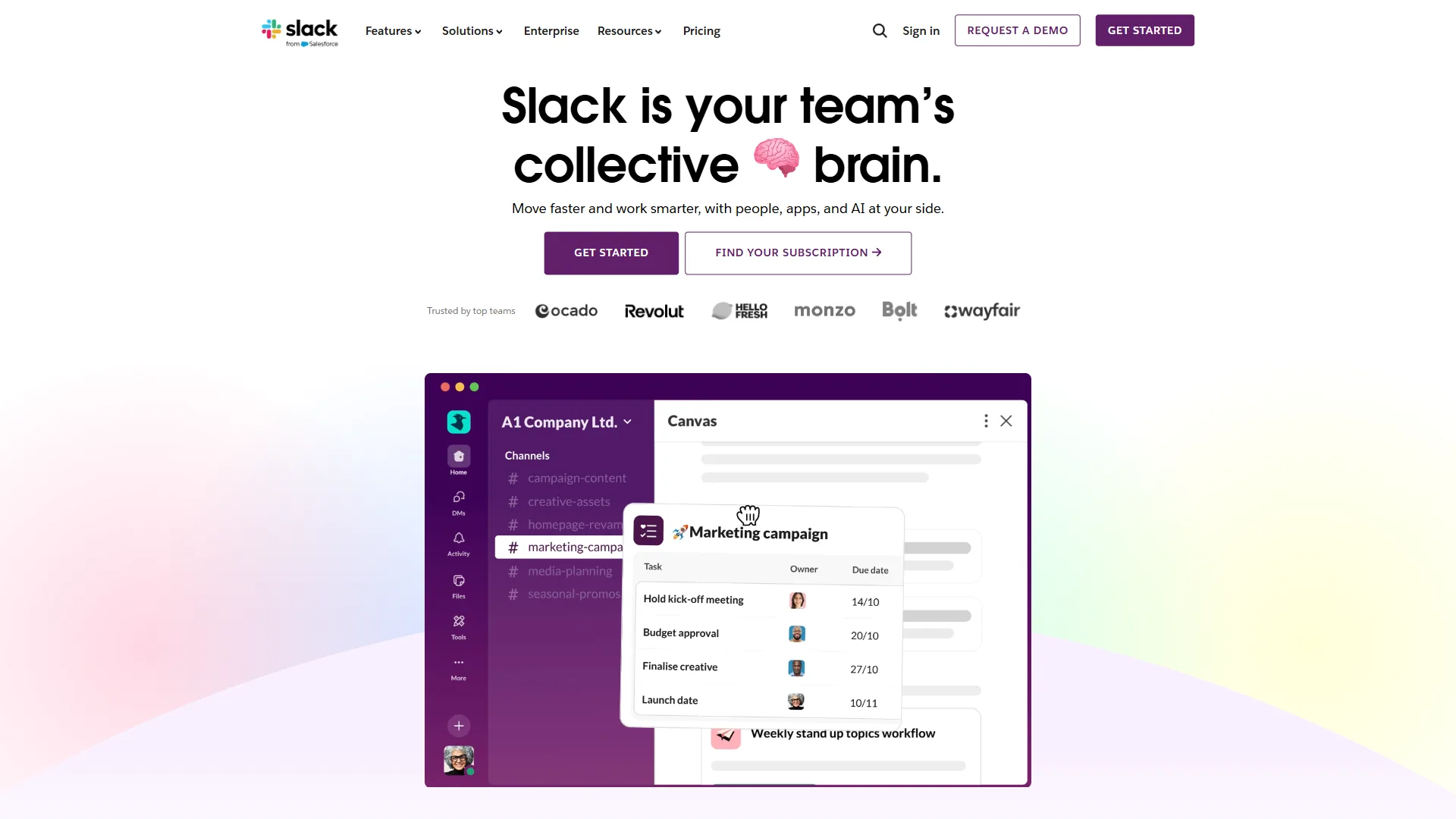
Slack remains the gold standard for team messaging. Its 2,400+ app integrations route notifications from any business tool into relevant channels, threading keeps conversations organized, and bots automate routine tasks. For teams that need more than Google Chat provides, Slack’s $8.75 per user/month Pro plan is worth it.
Microsoft Teams dominates in Microsoft 365 environments. If your organization runs on Outlook, OneDrive, and Office, Teams provides the tightest integration - persistent chat, video, and file sharing in one interface. The learning curve is steeper than Slack but the payoff is significant for Microsoft-centric orgs.
Project Management
Asana, Monday.com, and ClickUp represent three approaches to project management. Asana excels at task management and workflow automation for teams up to 100. Monday.com offers more visual flexibility for cross-functional projects with external stakeholders. ClickUp tries to be everything to everyone - it replaces multiple tools but requires significant setup time.
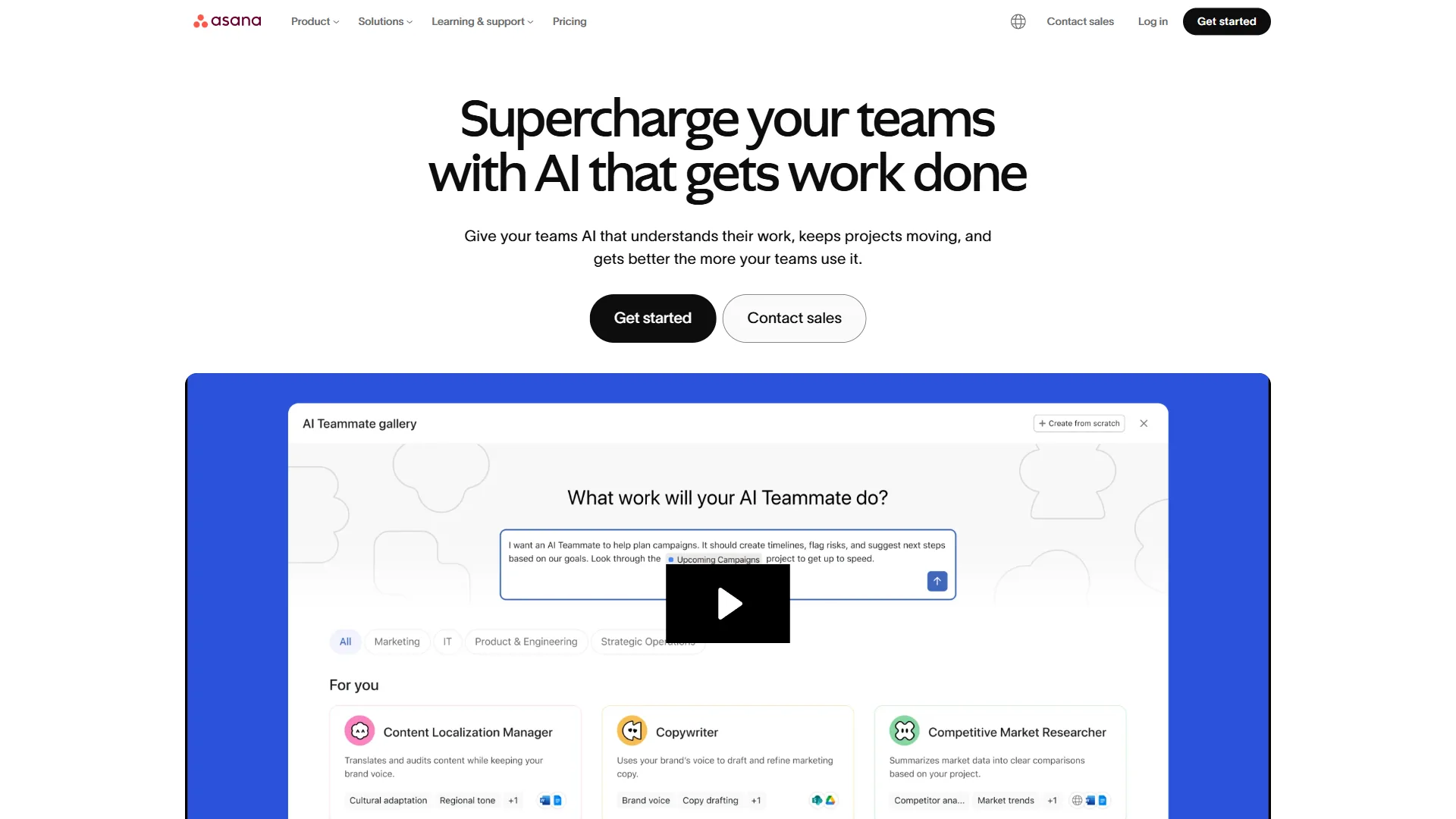
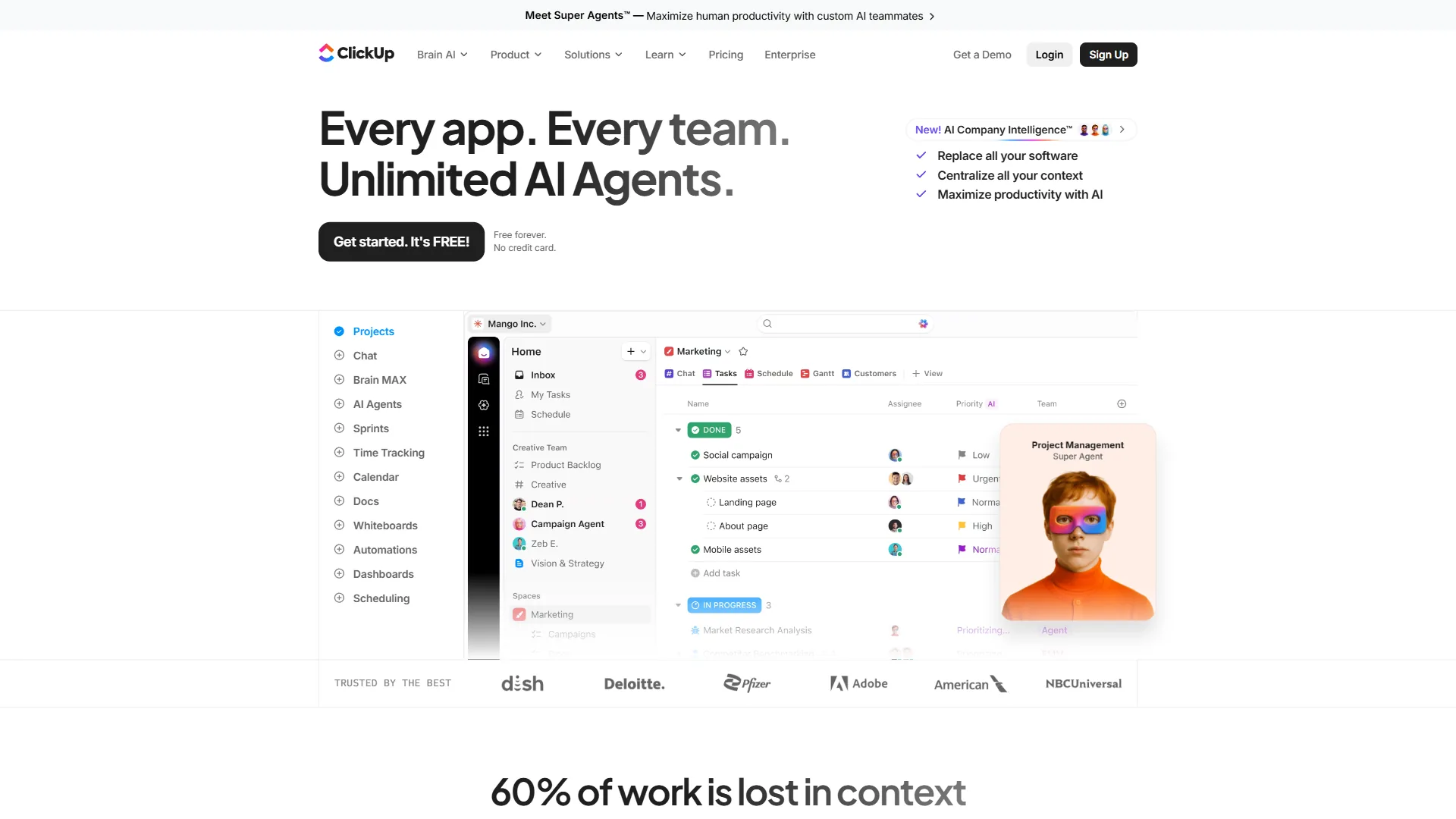
The right choice depends more on team workflow than tool capabilities - trial all three before committing because project management tools are sticky and switching later is painful.
Visual Collaboration
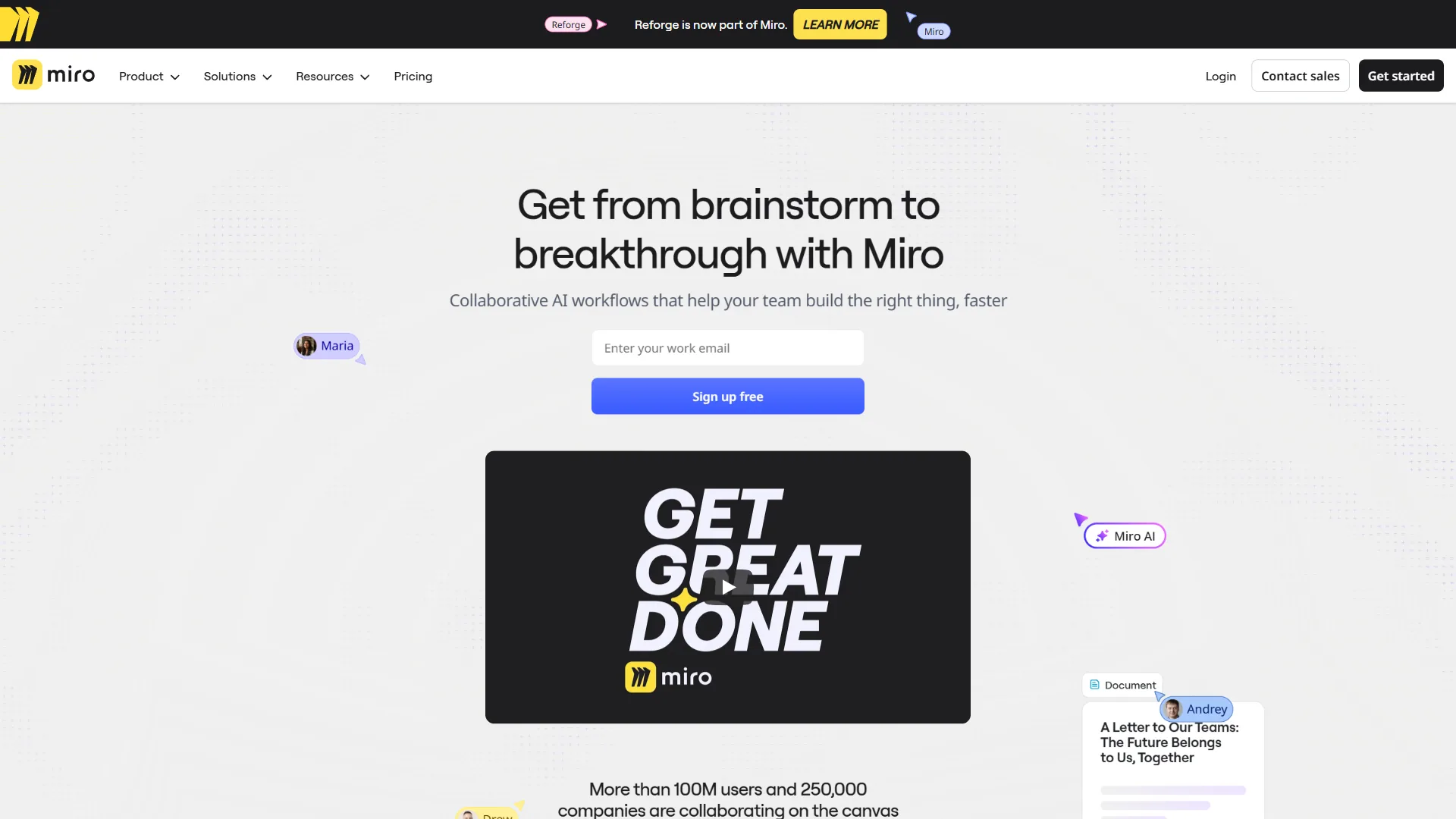
Miro is the default digital whiteboard for remote teams. Its infinite canvas, template library, and real-time collaboration suit brainstorming, design sprints, and workshop facilitation. Free plan: 3 boards; Team plan at $10 per user/month for weekly use.
FigJam and Mural are viable alternatives. FigJam integrates tightly with Figma for design teams; Mural offers more sophisticated facilitation features for complex workshops.
Knowledge Management
Notion has become the default knowledge base for startups and scale-ups. Its flexible database system, clean interface, and template ecosystem suit documentation, wikis, and project databases, and AI Q&A works well for teams with extensive documentation.
Confluence makes more sense for larger organizations, especially those already using Jira. It is more structured than Notion - a benefit when you need strict permissions, audit trails, and compliance documentation.
Asynchronous Video
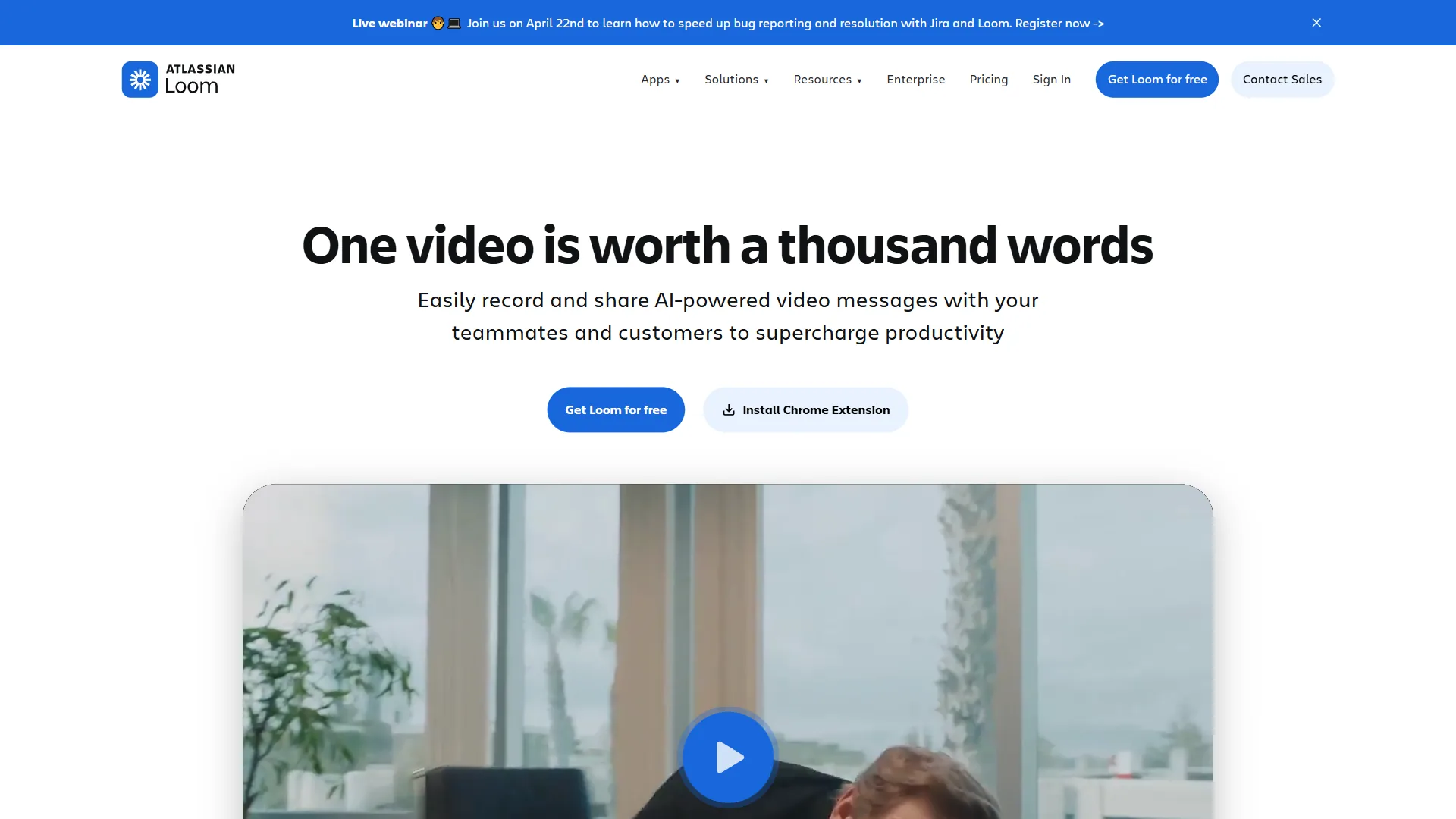
Loom transformed async video communication by making recording and sharing a video as easy as writing an email. The Chrome extension records screen and camera in one click and generates a shareable link - teams use it for code reviews, design walkthroughs, and stand-up updates. At $15/creator/month for Business, Loom pays for itself if it eliminates even one unnecessary meeting per week.
How Do You Choose the Right Collaboration Tools for Remote Teams?
The right collaboration tools for remote teams start with Google Workspace as the foundation, then add 3-5 specialized tools only when the team feels clear, recurring pain - never preemptively. An effective stack is not about maximizing features, it is about minimizing friction, and the framework below makes that decision concrete.
Start with Google Workspace as the foundation. Unless you have compelling reasons to use Microsoft 365 (existing enterprise agreements, complex Outlook rules, extensive Excel macros), Google Workspace provides the best balance of features, integration, and cost.
Add specialized tools only when the team feels clear pain. If teammates constantly ask “where did that file go?” or “what is the status on this project?”, you need better knowledge management or project tracking - do not add tools preemptively.
Prioritize tools with strong Google Workspace integration. Look for two-way Calendar sync, native Drive attachments, and single sign-on through Google. The more smoothly tools integrate with the foundation, the less context-switching friction the team experiences.
Evaluate based on adoption, not features. Run 30-day trials with real projects before committing to annual contracts - the tool with 85% adoption and good-enough features beats the perfect tool only the project manager uses.
Budget for the tier that provides real value. Free plans suit testing but lack the integrations, automation, and storage that drive productivity gains. A team of 10 spending $200 per month on the right tools is more cost-effective than one wasting 5 hours per week on workarounds.
Plan for 3-5 core tools, not 15. A typical stack: Google Workspace (foundation) + Slack (communication) + Asana or Monday (project management) + Loom (async video) + Miro (visual collaboration).
Revisit the stack quarterly. Remote collaboration tools evolve quickly, and team needs change as you grow - set a recurring reminder to review what is working.
How Do You Make Remote Collaboration Actually Work?
Remote collaboration works when teams pair the right tools with clear communication norms, deliberate over-communication, async-versus-sync discipline, intentional social connection, and ongoing training. The tools matter, but they are not the whole story - even the best platform will not fix poor communication practices or unclear expectations.
Establish clear communication norms. When should someone use email versus Slack versus a video call? What is the expected response time for each channel? These questions need explicit answers for every team.
Default to over-communication. The context you would pick up from overhearing conversations or reading body language in an office does not exist remotely - share more updates and create more opportunities for informal connection.
Use async for documentation, sync for decisions. Recorded Loom videos explaining complex topics scale expertise; live calls for final decisions keep everyone aligned.
Create space for non-work connection. Remote teams need intentional social time - virtual coffee breaks, async #pets channels, team events. These are how you build trust without a shared physical space.
Invest in training, not just tools. Rolling out Google Workspace without teaching Smart Compose or effective Meet recording wastes most of the platform’s value.
Conclusion: Build Your Stack Strategically
A strategic remote collaboration stack starts with Google Workspace as the foundation and adds 3-5 specialized tools chosen for clear pain points, team adoption, and integration depth. Remote collaboration is not solved by buying tools - it is solved by selecting platforms that fit the workflow and establishing practices that make distributed work sustainable.
Start with Google Workspace unless you have specific reasons not to - its comprehensive features, deep integration, AI capabilities, and 336% ROI make it the obvious choice at $16.80 per user/month for Business Standard.
Add specialized tools based on clear pain points: Asana or Monday for project visibility, Loom for async communication, Miro for visual brainstorming. Resist the urge to adopt every tool that looks interesting - the most-cited lists of tools for 2026 consistently converge on this same handful of platforms for remote work.
The goal is not the perfect stack - it is the stack a team actually uses. Simple, integrated, consistently adopted beats comprehensive and ignored.
Ready to upgrade? Start with a Google Workspace trial and see how much friction disappears when tools actually work together.
Methodology: This comparison draws on current vendor pricing pages, product documentation, and independent research from Forrester and McKinsey rather than sponsored placement or hands-on lab testing. Disclosure: AI Productivity may earn a commission from links on this page; our tool rankings and recommendations are editorially independent.
FAQ
The most-asked questions about remote collaboration tools cover free options, the best picks for distributed teams, the four core categories, and where to find a downloadable checklist - answered below in order.
Q: What are remote collaboration tools?
Remote collaboration tools are software platforms that let distributed teams communicate, co-edit documents, manage projects, and meet without sharing a physical office. They span five categories - team communication, project management, visual collaboration, knowledge management, and asynchronous video - and core online collaboration tools examples include Google Workspace, Slack, Asana, Miro, and Loom.
Q: What are the best online collaboration tools?
The best online collaboration tools for most distributed teams are Google Workspace for the foundation, Slack for communication, Asana or Monday.com for project management, Miro for visual collaboration, and Loom for asynchronous video. Google Workspace ranks first because it consolidates documents, storage, video, and email into one suite at $16.80 per user each month for Business Standard.
Q: What are the four types of collaboration tools?
The four core types of collaboration tools are communication tools (Slack, Microsoft Teams), project and task management tools (Asana, ClickUp), real-time document and visual collaboration tools (Google Docs, Miro), and knowledge management tools (Notion, Confluence). Many teams add a fifth type, asynchronous video, with platforms such as Loom.
Q: Are there free remote collaboration tools?
Yes - Slack’s free plan, Miro’s free plan with 3 boards, Notion’s free personal plan, and Trello are common free collaboration tools for remote teams. Free plans suit testing and very small teams but lack the integrations, automation, and storage that drive measurable productivity gains.
Q: Where can I find a remote collaboration tools PDF or checklist?
A useful remote collaboration tools PDF or checklist maps each tool to a category, lists its starting price, and notes its key limit - the comparison table earlier in this guide can be exported or printed for a tool-selection review.
Related Reads
The eight tools and three guides below expand on every platform covered in this comparison of collaboration tools for remote teams. Tools covered in this article:
- Google Workspace - Productivity suite
- Asana - Work management platform
- Loom - Async video messaging
- Slack - Team messaging with 2,400+ app integrations
- ClickUp - All-in-one project management platform
- Miro - Digital whiteboard for visual collaboration
- Figma - Collaborative design tool with FigJam whiteboarding
- Confluence - Team knowledge management and documentation
More productivity guides:
- Best Project Management Tools 2026 - PM tools compared
- Best AI Meeting Assistants 2026 - Meeting AI tools
- Enterprise Collaboration Platforms - Team collaboration tools
External Resources
The independent research below informed the productivity numbers, ROI claims, and remote work trends cited throughout this guide.
- Harvard Business Review - Remote Work - peer-reviewed analysis of distributed-team performance
- Buffer State of Remote Work - annual survey of remote workers and managers
- McKinsey People & Organization - workplace productivity research cited above