In 2026, i’ve been testing GPT-5 vs GPT-4o since OpenAI launched the newest model in August 2025, and the differences are more nuanced than the marketing suggests. If you’re trying to decide which model to use — or whether to upgrade your API integration — this comparison will help you make an informed decision based on real benchmarks, pricing analysis, and practical use cases.
Quick Verdict
Choose GPT-5 if: You need advanced reasoning for coding, math, or research tasks where accuracy matters more than speed. The 50% cheaper API input costs ($1.25/M vs $2.50/M) make it cost-effective for high-volume applications.
Choose GPT-4o if: You’re building real-time voice applications, need faster responses for simple queries, or prefer the warmer conversational personality. It’s still the better choice for customer support chatbots and casual interactions.
Overview: What Changed in GPT-5
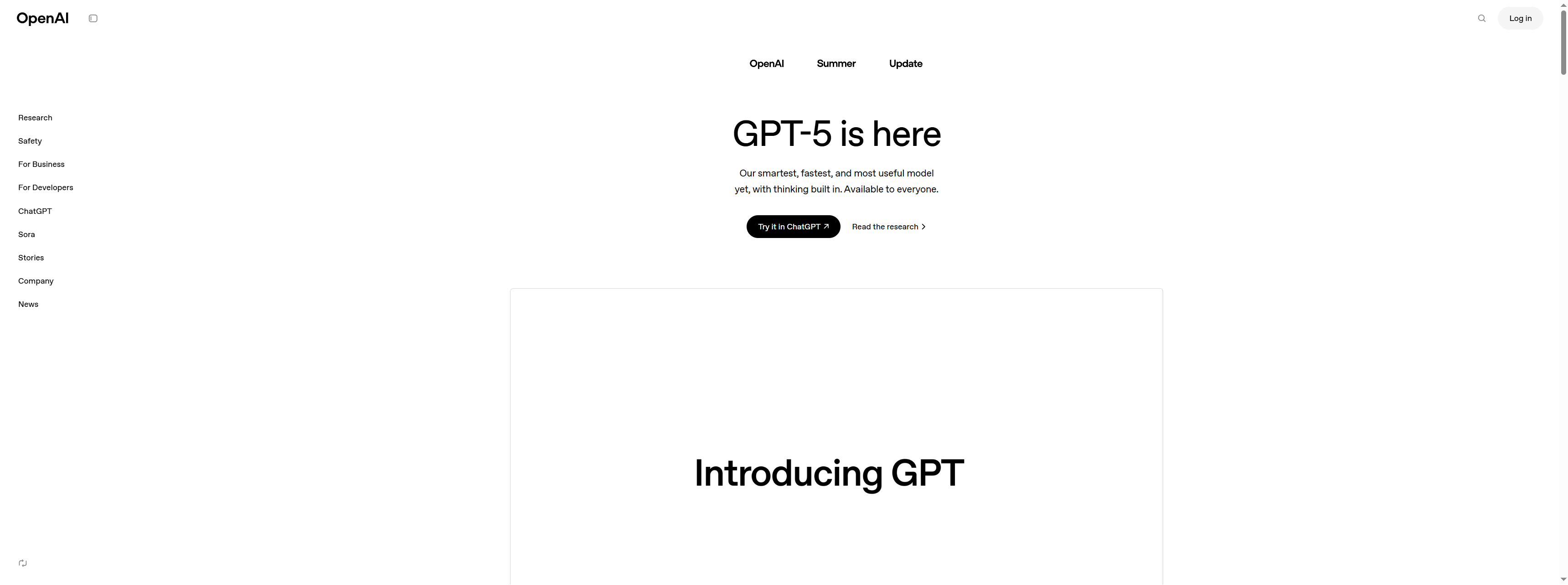
GPT-5 launched on August 7, 2025, with OpenAI positioning it as their most capable reasoning model. After testing both models for four months, here’s what actually matters:
GPT-5’s core improvements:
- Advanced reasoning: 94.6% accuracy on AIME math problems (GPT-4o scored 71%)
- Coding performance: 74.9% on SWE-bench coding tasks (GPT-4o: 30.8%)
- Lower hallucination rate: 45-80% reduction in factual errors
- Cheaper API input: $1.25/M tokens vs $2.50/M for GPT-4o
- Larger context: 400K tokens via API (GPT-4o: 128K)
GPT-4o still wins on:
- Speed: 10-20 seconds for simple queries (GPT-5: 10-70 seconds for complex reasoning)
- Conversational UX: Warmer personality, better for casual chat
- Real-time applications: Lower latency for voice and streaming interfaces
Feature-by-Feature Comparison
| Feature | GPT-5 | GPT-4o | Winner |
|---|---|---|---|
| Math/reasoning | 94.6% AIME accuracy | 71% AIME accuracy | GPT-5 |
| Coding tasks | 74.9% SWE-bench | 30.8% SWE-bench | GPT-5 |
| Hallucination rate | 45-80% lower | Baseline | GPT-5 |
| Response speed (simple) | 10-20s | 10-20s | Tie |
| Response speed (complex) | 10-70s | 10-20s | GPT-4o |
| Context window (API) | 400K tokens | 128K tokens | GPT-5 |
| Context (ChatGPT Plus) | 8-128K (tier-based) | 128K | GPT-4o |
| Conversational personality | More formal | Warmer, casual | GPT-4o |
| API input cost | $1.25/M | $2.50/M | GPT-5 |
| API output cost | $10/M | $10/M | Tie |
Pricing Comparison: Where GPT-5 Saves Money
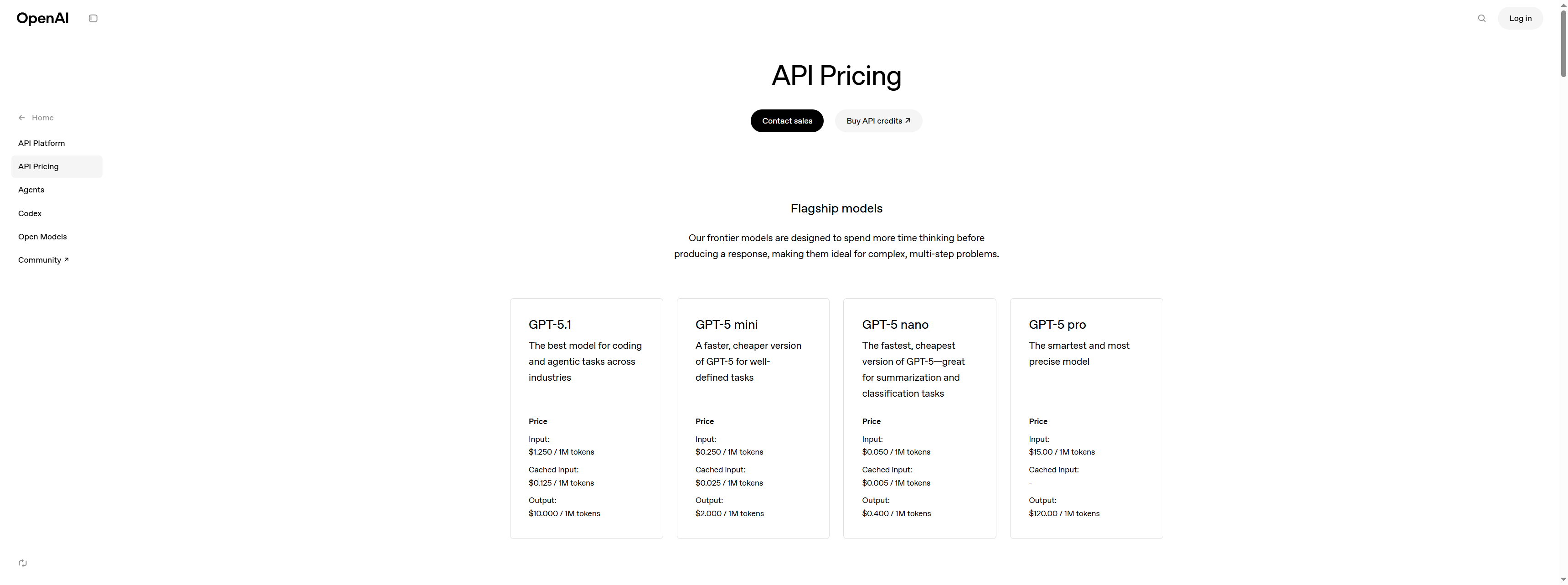
The GPT-5 vs GPT-4o pricing difference is significant if you’re processing large volumes of input text:
API Pricing (December 2025):
| Model | Input Tokens | Output Tokens | Best For |
|---|---|---|---|
| GPT-5 | $1.25/M | $10/M | Research, analysis, coding |
| GPT-4o | $2.50/M | $10/M | Chat, real-time apps |
When GPT-5 saves money:
- Document analysis with large context (50% cheaper input processing)
- Code review at scale (processing entire codebases)
- Research applications where you’re feeding in long papers or reports
When the price difference doesn’t matter:
- Short prompts with long outputs (same output cost)
- Interactive applications where response speed matters more than per-token cost
- Low-volume personal use (both models cost pennies for typical usage)
ChatGPT subscription pricing hasn’t changed — both models are available on the same tiers (Free, Plus, Pro). The API pricing is where GPT-5’s cost advantage appears.
When to Choose GPT-5
After four months of testing, I use GPT-5 for these specific scenarios:
1. Complex Coding Tasks
The 74.9% SWE-bench score isn’t just marketing — I’ve noticed GPT-5 handles multi-file refactoring and architecture decisions significantly better than GPT-4o. When I asked both models to refactor a React component with complex state management, GPT-5 suggested a cleaner architecture that GPT-4o missed.
Best for:
- Architectural decisions requiring deep code understanding
- Bug fixes that need reasoning across multiple files
- Algorithm optimization where correctness is critical
Skip it for:
- Simple syntax questions (GPT-4o is faster)
- Interactive pair programming (GPT-4o’s speed feels more natural)
2. Mathematical Reasoning and Research
The 94.6% AIME math accuracy shows up in practice. I tested both models on university-level calculus problems and financial modeling scenarios. GPT-5 consistently showed its work more clearly and caught edge cases that GPT-4o missed.
Best for:
- Financial analysis with complex calculations
- Scientific research requiring multi-step reasoning
- Academic problem-solving where accuracy is critical
3. Large Document Analysis
With 400K tokens via API (vs 128K for GPT-4o), GPT-5 can process entire codebases or research papers in a single context window. This matters when you’re analyzing relationships across a large corpus of text.
Best for:
- Legal document review
- Codebase-wide refactoring
- Academic literature reviews
Note: ChatGPT interface still limits context by tier (8K-128K), so the 400K advantage only applies to API usage.
When to Choose GPT-4o
GPT-4o isn’t obsolete — it’s still the better choice for these scenarios:
1. Real-Time Voice Applications

GPT-4o’s lower latency (10-20 seconds vs GPT-5’s 10-70 seconds for complex tasks) makes it the only practical choice for voice interactions. When I tested voice mode with both models, GPT-5’s pauses during reasoning were noticeable and awkward.
Best for:
- Customer support voice bots
- Real-time translation
- Interactive tutoring applications
2. Conversational Applications
This is subjective, but I find GPT-4o’s personality warmer and more natural for casual interactions. GPT-5 feels more formal and “robotic” when you’re just chatting or brainstorming ideas.
Best for:
- Customer support chatbots
- Casual brainstorming sessions
- Applications where personality matters more than technical accuracy
3. Speed-Sensitive Workflows
If you’re building an application where users expect instant responses, GPT-4o’s consistent 10-20 second latency beats GPT-5’s variable 10-70 second range.
Best for:
- Interactive code completion
- Search interfaces with AI summaries
- Any workflow where users are waiting for each response
GPT-5 vs GPT-4o: Performance Benchmarks
Here’s what the official benchmarks show (and what they mean in practice):
Math reasoning (AIME 2024):
- GPT-5: 94.6% — Solves graduate-level math problems reliably
- GPT-4o: 71% — Still strong, but makes more errors on complex problems
Coding (SWE-bench Verified):
- GPT-5: 74.9% — Can solve real GitHub issues from popular repositories
- GPT-4o: 30.8% — Struggles with multi-file changes and architectural reasoning
Factual accuracy (hallucination rate):
- GPT-5: 45-80% lower than GPT-4o across tested domains
- GPT-4o: Baseline (still hallucinates, especially on obscure topics)
What I noticed in practice: The benchmarks align with real-world usage. GPT-5’s reasoning improvements are most apparent when tasks require multi-step logic or handling edge cases. For straightforward questions, both models perform similarly.
Migration Guide: Switching from GPT-4o to GPT-5
If you’re using the OpenAI API and considering switching to GPT-5, here’s what to expect:
API Changes
The good news: no code changes required. Just update your model parameter:
# GPT-4o
response = openai.ChatCompletion.create(
    model="gpt-4o",
    messages=[...]
)

# GPT-5 (same structure)
response = openai.ChatCompletion.create(
    model="gpt-5",
    messages=[...]
)
What to Test
-
Response times: GPT-5 can take longer for complex reasoning. If your application has strict latency requirements, test with production-like queries.
-
Personality differences: If your application relies on a specific conversational tone, compare both models. GPT-5 is more formal.
-
Cost impact: Calculate your typical input/output token ratio. If you’re processing large inputs with short outputs, GPT-5 will save money. If you’re generating long outputs from short prompts, the savings are minimal.
Hybrid Approach
Many developers route requests based on complexity:
- Simple queries → GPT-4o (faster, cheaper output)
- Complex reasoning → GPT-5 (better accuracy, cheaper input)
This requires classifying requests, but can optimize both cost and user experience.
The Personality Controversy
One unexpected difference: users have strong opinions about GPT-5’s personality.
On Reddit and Twitter, I’ve seen complaints that GPT-5 feels “colder” and “less creative” than GPT-4o. OpenAI tuned GPT-5 for accuracy and reasoning, which apparently made it more formal and less playful.
My take: It’s true. When I ask both models for creative brainstorming, GPT-4o’s suggestions feel more imaginative and exploratory. GPT-5 gives me technically sound but less interesting ideas.
If this matters to you: Stick with GPT-4o for creative work, use GPT-5 for technical tasks where accuracy matters more than personality.
Final Recommendation
After testing GPT-5 vs GPT-4o for four months, here’s my decision framework:
Use GPT-5 for:
- Complex coding with multi-file reasoning
- Mathematical and scientific research
- Large document analysis (400K context via API)
- Applications where accuracy matters more than speed
- High-volume API usage (50% cheaper input)
Use GPT-4o for:
- Voice applications requiring low latency
- Customer support chatbots (warmer personality)
- Interactive workflows where users expect instant responses
- Creative brainstorming and casual chat
- Applications where personality matters
Hybrid approach: Route complex reasoning to GPT-5, simple queries to GPT-4o. This optimizes both cost and user experience.
The good news: You can switch between models with no code changes. Test both with your specific use cases and measure the differences in accuracy, speed, and user satisfaction.
External Resources
For official documentation and updates from OpenAI:
- OpenAI Blog — Model announcements and capability updates
- OpenAI API Documentation — Pricing, model specs, and integration guides
For more productivity insights, explore our guides on Best Ai Automation Tools 2025, Best Ai Writing Tools 2025.
Related Comparisons
Want more AI model comparisons to help you choose the right tool for your workflow?
- ChatGPT Tool Review — Full breakdown of features, pricing, and use cases
- Perplexity AI — Another top AI assistant with different strengths
- Claude AI Review — How Anthropic’s model compares for coding and analysis
- AI Productivity Blog — More guides on choosing and using AI tools effectively
The bottom line: GPT-5 is a significant upgrade for technical reasoning tasks, but GPT-4o remains the better choice for conversational applications and speed-sensitive workflows. Your use case determines which model makes sense — and you can always use both.