




The four strongest ChatGPT competitors in 2026 are Claude, Google Gemini, Perplexity, and Microsoft Copilot, each outperforming ChatGPT in a specific workflow: long-document reasoning, Google Workspace integration, cited research, and Office 365 productivity respectively. Three more - Mistral Le Chat, DeepSeek, and Meta AI - cover privacy, low-cost API, and casual social use.
Our analysis draws on vendor documentation, public benchmarks, and independent research; we did not run hands-on side-by-side testing. This guide is part of our affiliate-supported review network, and we earn commissions on some links, but rankings reflect documented capability rather than commercial relationships. For a broader list, see our apps like ChatGPT roundup - a frequent search for apps like ChatGPT for students and casual users.
According to Anthropic CEO Dario Amodei in a 2024 interview with the Financial Times, “the models that are being trained today, the next few generations, are going to be at the level of human experts” - a trajectory that explains why specialized chatgpt competitors now beat the general-purpose leader on focused tasks.
Quick Verdict: ChatGPT Today
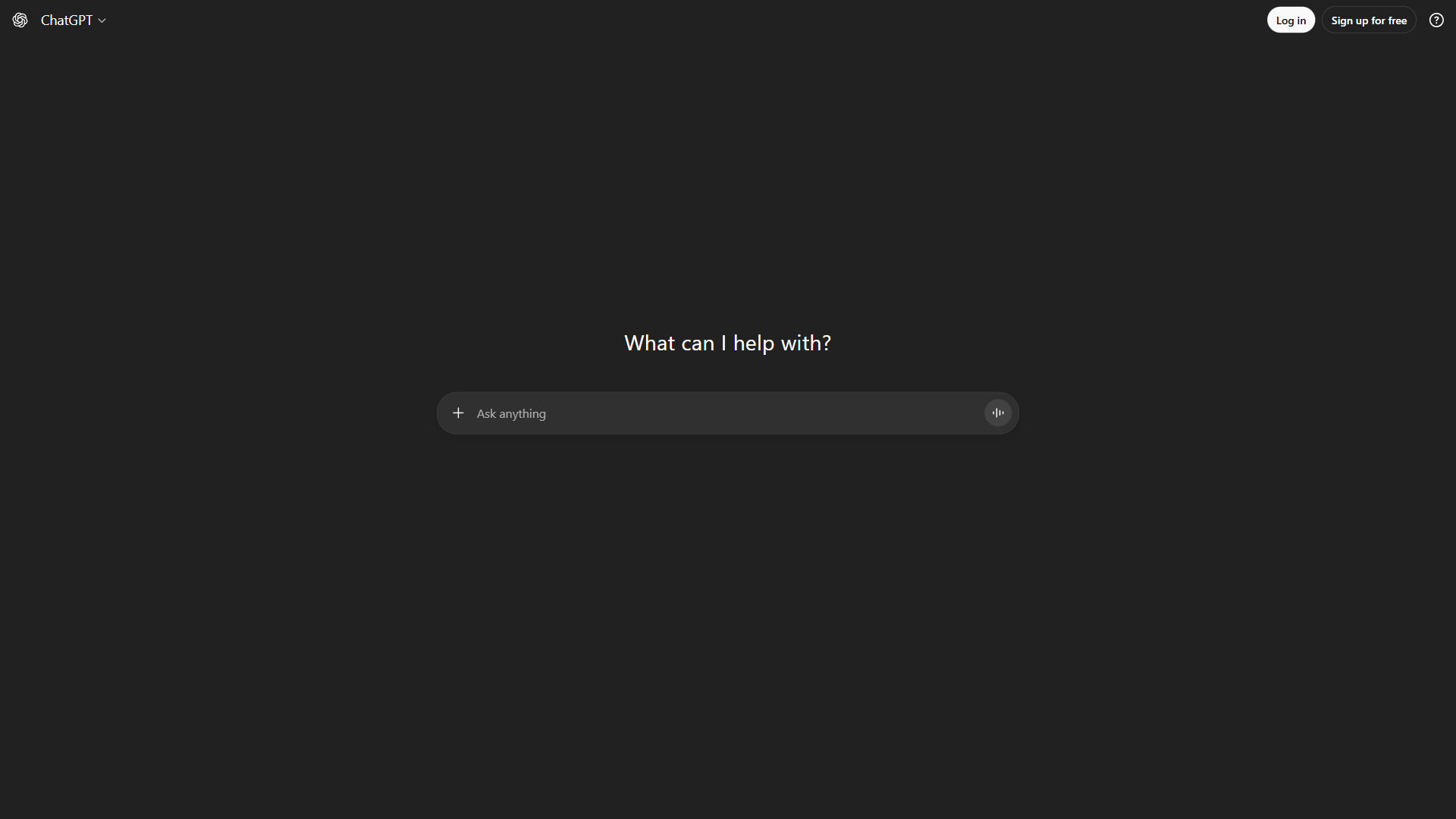
ChatGPT in 2026 is a multimodal AI assistant running on GPT-5 and GPT-4o with image generation, voice conversations, Advanced Data Analysis, Custom GPTs, and web browsing, priced at $20 per month for Plus and $200 per month for Pro. Its strengths are ecosystem breadth and versatility; its weaknesses are missing inline citations, rate limits on Plus, and a free tier that trains on conversations.
Comparison Table: Top ChatGPT Competitors
The seven most credible ChatGPT competitors in 2026 - ranked by category fit - are Claude, Gemini, Perplexity, Microsoft Copilot, Mistral Le Chat, DeepSeek, and Meta AI, with pricing ranging from free to $200 per month.
| Competitor | Best For | Pricing | Key Advantage |
|---|---|---|---|
| Claude | Long documents, nuanced reasoning | Free / $20 Pro / $100 Max | 200K context window, safety-focused |
| Gemini | Google Workspace users | Free / $20 Advanced | 1M token context, deep Google integration |
| Perplexity | Research with citations | Free / $20 Pro / $200 Max | Inline source citations on every answer |
| Microsoft Copilot | Office 365 workflows | Free / $20 Pro / $30 365 | Native Word, Excel, PowerPoint integration |
| Mistral Le Chat | Privacy, European compliance | Free / API pricing | Open-weight models, EU data residency |
| DeepSeek | Budget-conscious developers | Free / low API costs | Near-GPT-5 performance at fraction of cost |
| Meta AI | Casual, social-integrated use | Free | Built into WhatsApp, Instagram, Facebook |
1. Claude - Best for Long Documents and Nuanced Reasoning
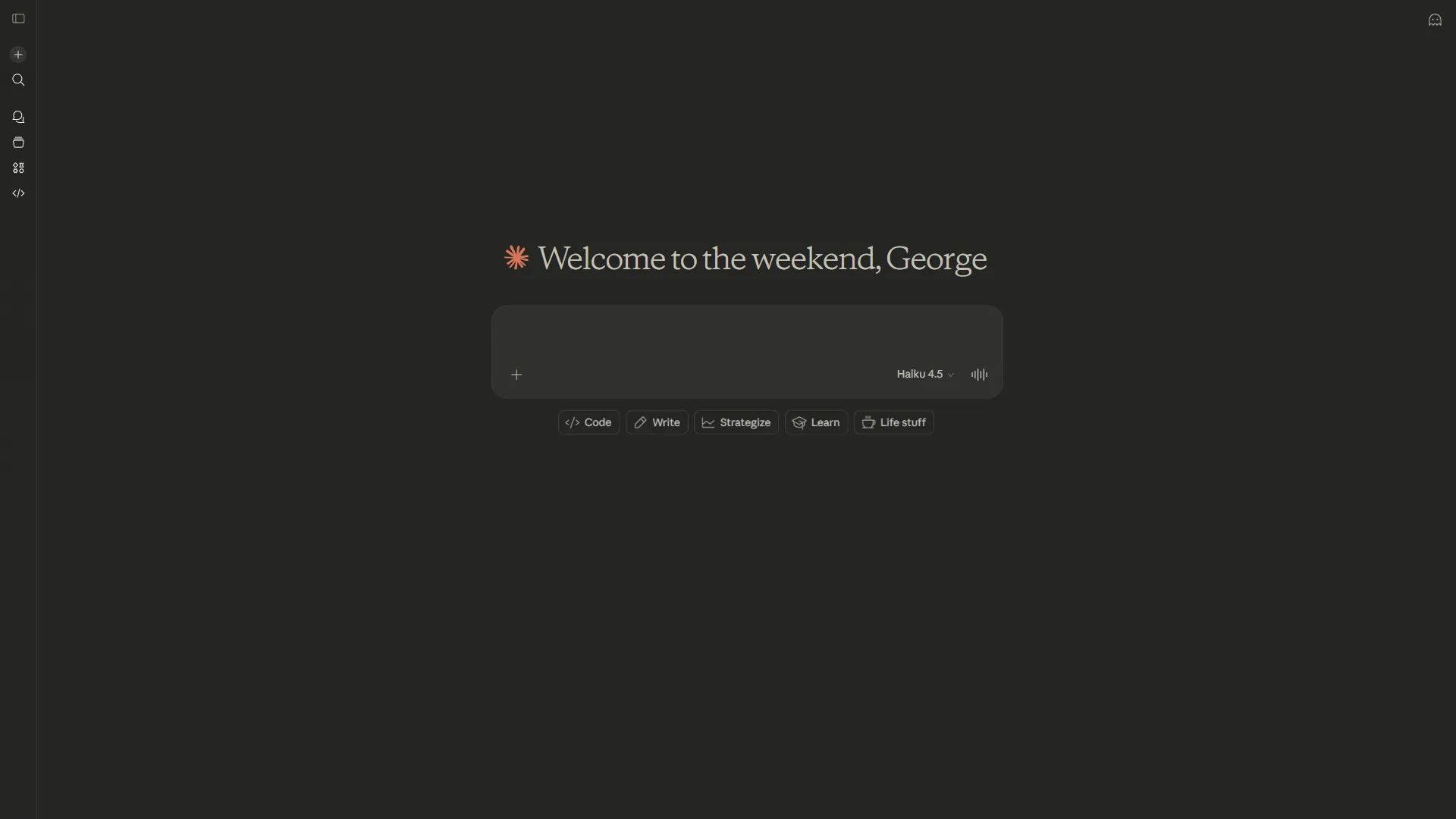
Claude from Anthropic is the strongest ChatGPT competitor for long-document analysis and nuanced reasoning, with a 200K-token context window that handles entire books, contracts, or codebases in a single conversation. Where ChatGPT is fast and broad, Claude is deliberate and deep.
Where Claude wins: long-document coherence (see Claude’s context window documentation), nuanced reasoning for legal, academic, and policy work, and Projects - persistent workspaces with custom instructions and reference documents that carry across conversations.
Limitations: no image generation, no live voice mode (dictation input only), and a restrictive free tier of roughly 20 messages per day.
Pricing: Free / $20 Pro / $100 Max.
Who should switch: writers, researchers, lawyers, and anyone routinely working with documents longer than 20 pages.
2. Google Gemini - Best for Google Workspace Integration

Google Gemini is the best ChatGPT competitor for Google Workspace users because it embeds AI into Gmail, Docs, Drive, and Slides while offering a 1 million-token context window - the largest among major AI assistants.
Where Gemini wins: the 1M-token context (detailed in Google’s long-context API guide), seamless Workspace integration that drafts Gmail replies using Calendar context and references Drive documents in conversations, and native multimodal handling of images, video, and audio.
Limitations: creative writing lags behind ChatGPT and Claude (generic, safe responses), code generation trails GPT-5 for complex debugging, and the standalone chat interface feels like an afterthought.
Pricing: Free / $20 Advanced (bundled with Google One AI Premium and 2TB storage).
Who should switch: teams and individuals living inside Gmail, Google Docs, and Google Drive - especially Workspace enterprises already paying for Google One.
3. Perplexity - Best for Research and Fact-Checking
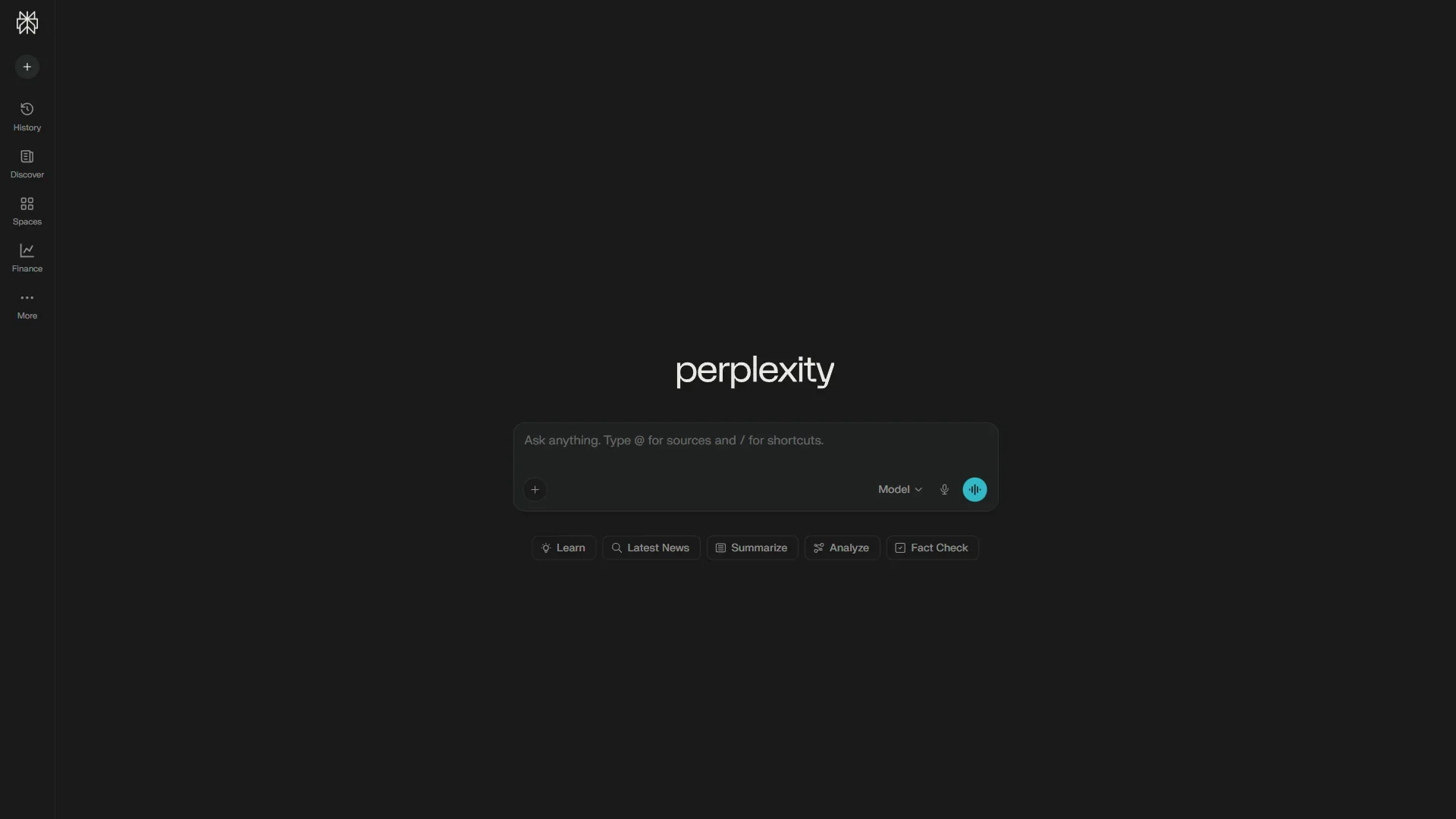
Perplexity is the strongest ChatGPT competitor for research and fact-checking because it provides inline citations on every answer - a feature ChatGPT does not have. It is the most-recommended ChatGPT alternative for research and a frequent answer to readers searching for a Better AI than ChatGPT for studying.
Where Perplexity wins: inline numbered citations on every claim (see our Perplexity tips and tricks guide), live web search on every query rather than a knowledge cutoff (compared in our ChatGPT vs Perplexity breakdown), and model flexibility - Pro users switch between GPT-5, Claude 4, and Gemini 2.5.
Limitations: weak at creative writing and coding; no image generation, no voice mode, no plugin ecosystem.
Pricing: Free (5 Pro searches/day) / $20 Pro / $200 Max.
Who should switch: researchers, journalists, analysts, students, and anyone who currently uses ChatGPT mostly for looking things up.
4. Microsoft Copilot - Best for Office 365 Power Users
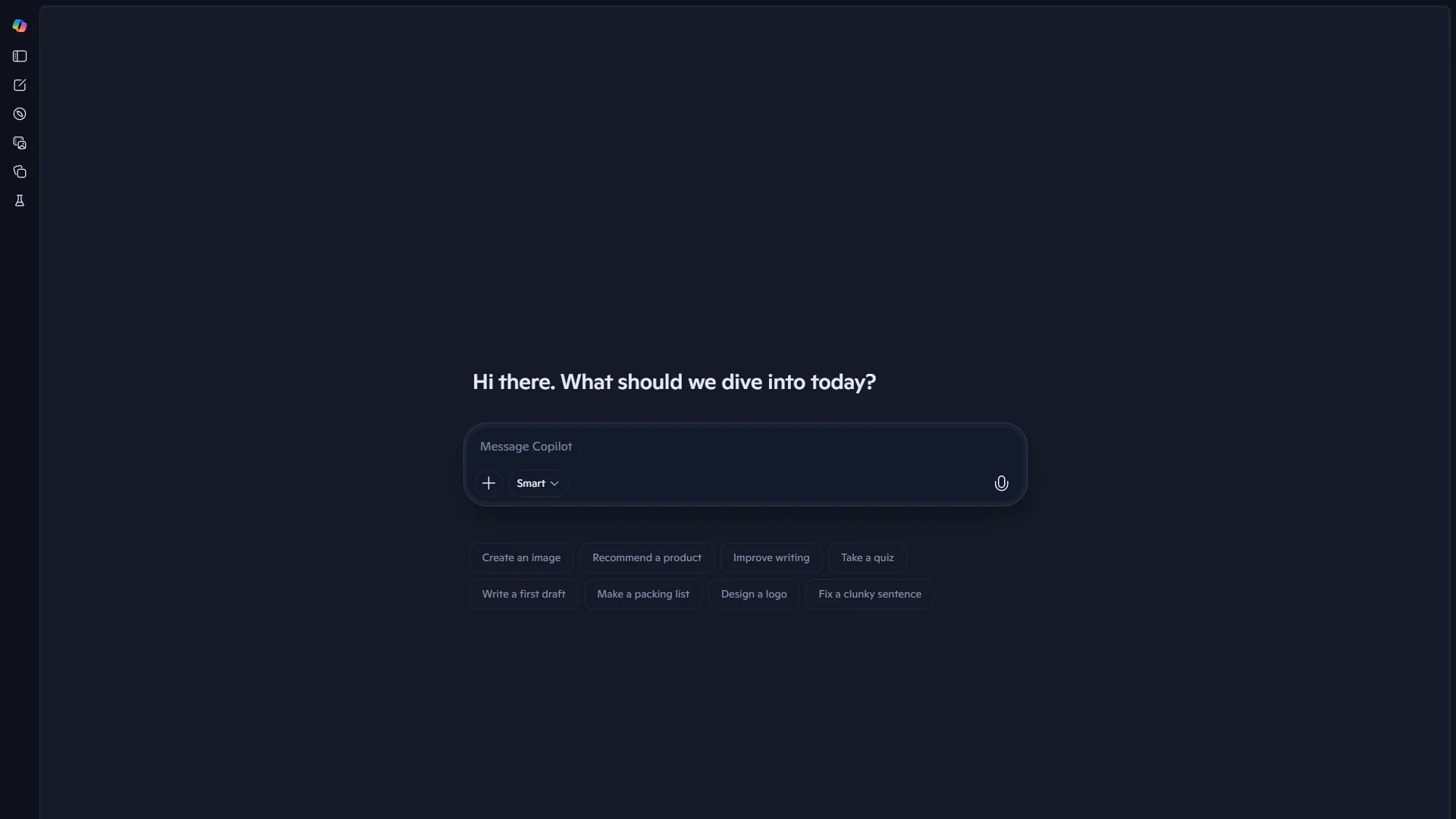
Microsoft Copilot is the strongest ChatGPT competitor for Office 365 users because it embeds AI directly into Word, Excel, PowerPoint, Outlook, and Teams instead of running as a standalone chat window. Among chatgpt competitors, only Copilot has native access to the office suite most knowledge workers already use.
Where Copilot wins: office integration (drafting Word documents from Teams transcripts, charting Excel data with natural language, generating PowerPoint decks from Word - see Microsoft’s Copilot for Microsoft 365 learning hub), enterprise security that respects existing Microsoft 365 permissions and DLP policies, and Copilot for Sales/Service which pulls Dynamics 365 or Salesforce data into drafts.
Limitations: the standalone chat at copilot.microsoft.com is weaker than ChatGPT for creative and coding tasks, and the full Microsoft 365 Copilot experience at $30/user/month sits on top of existing Microsoft 365 licensing.
Pricing: Free / $20 Pro / $30 per user/month for Microsoft 365 Copilot.
Who should switch: organizations already paying for Microsoft 365 Business or Enterprise. Individual users without M365 should look elsewhere.
5. Mistral Le Chat - Best for Privacy and European Compliance
Mistral Le Chat is the chatgpt competitor of choice for privacy-conscious users and European organizations because it runs on open-weight models with transparent architecture and EU data residency. Built by Mistral AI in Paris, the platform pairs auditable models with GDPR-compliant European hosting - eliminating the cross-border legal complexity of US providers.
Strengths: open weights you can self-host, low latency, and EU data residency. Weaknesses: a sparse interface, no memory features, and model quality slightly behind GPT-5 and Claude Opus 4.5 for creative writing.
Pricing: free for chat, usage-based for the API (cheaper than OpenAI).
Who should switch: European companies under GDPR, organizations that need auditable models, and developers building on open-weight infrastructure.
6. DeepSeek - Best Performance-Per-Dollar
DeepSeek is the cheapest ChatGPT competitor that still delivers near-frontier reasoning performance, with API pricing roughly 90% lower than OpenAI for equivalent tasks. The Chinese AI lab’s DeepSeek-R1 model introduced a chain-of-thought reasoning approach comparable to OpenAI’s o1, and the weights are open-source so you can run it locally.
The major caveat is data residency: DeepSeek is based in China and its privacy policy states data may be stored on servers subject to Chinese law - a blocking issue for enterprise users with sensitive information. The chat interface is also basic, with no voice mode, no image generation, and no plugin ecosystem.
Pricing: free chat, API roughly 90% cheaper than OpenAI.
Who should switch: cost-conscious developers comfortable with the data residency implications. Not recommended for enterprise data.
7. Meta AI - Best Free Option for Casual Use
Meta AI is the most accessible chatgpt competitor and the strongest answer to “apps similar to ChatGPT for free” because it is built directly into WhatsApp, Instagram, Facebook, and Messenger - no separate app, account, or subscription required. Powered by the Llama model family, it handles question-answering, brainstorming, and image generation for social posts at zero cost.
Quality is a clear step below ChatGPT, Claude, and Gemini for anything beyond simple tasks. There is no web browsing for current information, no document uploads, no persistent conversation memory, and Meta uses interaction data to improve its products.
Pricing: free, no paid tier.
Who should switch: casual users who want quick AI help inside apps they already use. Not a serious replacement for ChatGPT Plus.
Best Picks by Use Case
The best chatgpt competitor depends on your primary workflow: Claude for long documents, Gemini for Google Workspace, Perplexity for research, Microsoft Copilot for Office 365, Mistral for privacy, DeepSeek for low-cost API, and Meta AI for casual social-app use.
Choose Claude if you work with long documents, need nuanced analytical reasoning, or want the most thoughtful and careful AI responses. Writers, researchers, and legal professionals benefit most.
Choose Gemini if your organization runs on Google Workspace and you want AI embedded into Gmail, Docs, and Drive without adding another tool.
Choose Perplexity if your primary AI use case is research, fact-checking, or finding current information with verifiable sources.
Choose Microsoft Copilot if your team already pays for Microsoft 365 and you want AI inside Word, Excel, and PowerPoint.
Choose Mistral if privacy, open-source transparency, or EU data compliance are non-negotiable requirements.
Choose DeepSeek if you need strong reasoning and coding at the lowest possible cost and are comfortable with data residency in China.
Choose Meta AI if you want free, casual AI assistance inside social apps without managing another subscription.
The multi-tool approach works best for power users. Many professionals subscribe to ChatGPT Plus for creative work and coding, add Perplexity Pro for research, and use Claude Pro for long-document analysis. At $60 per month for all three, the combined capability exceeds any single tool.
The Bottom Line
ChatGPT is still the most versatile single AI assistant in 2026, but specialized competitors now outperform it on focused workloads: Claude on long-context reasoning, Perplexity on sourced research, Gemini on Google Workspace, and Microsoft Copilot on Office 365. The smartest approach is matching each tool to the workflow where it genuinely excels - many power users now pay for two or three subscriptions instead of forcing one tool to do everything.
FAQ
The most common reader questions about ChatGPT competitors cover the biggest rival, replacement workflows, the top contenders, source citations, and which AI is the most unrestricted.
Who is the biggest competitor to ChatGPT?
Anthropic’s Claude is widely considered the biggest direct competitor to ChatGPT, with comparable conversational quality, a 200K-token context window, and stronger long-document reasoning. Google’s Gemini ranks second on raw capability thanks to a 1M-token context and Workspace integration.
What AI is replacing ChatGPT for specific workflows?
Several specialized alternatives outperform ChatGPT in specific workflows - Claude for long-document analysis, Perplexity for research with citations, Gemini for Google Workspace integration, and Microsoft Copilot for Office 365. The right replacement depends on whether your work centers on research, documents, or office productivity.
Which are the top AI chatbots competing with ChatGPT?
The top ChatGPT competitors in 2026 are Claude for long documents, Gemini for Google Workspace, Perplexity for research with citations, Microsoft Copilot for Office 365, and Mistral Le Chat for privacy and European compliance. DeepSeek and Meta AI cover budget and casual use.
Which ChatGPT alternative provides source citations?
Perplexity is the only major ChatGPT alternative that provides inline citations on every answer; every claim links to a numbered source. It also searches the web live and lets Pro users switch between GPT-5, Claude 4, and Gemini 2.5. It is the standard ChatGPT alternative for research.
Which AI is the most unrestricted?
Among mainstream chatgpt competitors, DeepSeek and self-hosted Mistral open-weight models offer the fewest content guardrails because you can run them locally and configure your own policies. Hosted services like ChatGPT, Claude, Gemini, and Copilot all enforce vendor-side safety filters - a search for AI like ChatGPT with no restrictions typically points readers to local open-weight deployments rather than any consumer chatbot.
Which ChatGPT alternative supports image upload?
Claude, Gemini, Perplexity Pro, and Microsoft Copilot all support image upload for analysis. For users specifically searching for a ChatGPT alternative with image upload plus inline citations, Perplexity Pro is the closest single-tool match.
Related Reading
Further reading on ChatGPT competitors covers individual tool reviews, head-to-head matchups, and the wider AI assistant landscape.
- ChatGPT Review - OpenAI’s AI assistant and the benchmark for competitors
- Claude - Anthropic’s AI assistant for long documents and reasoning
- Perplexity - AI search engine with source citations
- ChatGPT vs Claude: Which AI Assistant Is Better?
- Perplexity vs ChatGPT: Which AI Assistant Should You Use?
- Best AI Assistants for Productivity in 2026
- Gemini - Google’s multimodal AI assistant with Workspace integration
External Resources
Primary documentation from each ChatGPT competitor’s vendor is the authoritative source for current model versions, context windows, and pricing.