The Promise vs The Pratfall
Your CEO just sent another company-wide email. “AI will revolutionize our operations,” it reads. “We’re implementing cutting-edge automation to streamline our workforce.”
Translation: layoffs are coming, and they’re blaming the robots.
Here’s the uncomfortable truth the C-suite doesn’t want to admit: most companies betting on AI to replace humans are quietly backtracking. The ones actually winning? They’re using AI to make their teams superhuman, not obsolete.
After analyzing dozens of case studies, talking to productivity experts, and testing every major AI tool on the market in 2025-2026, I’ve discovered something fascinating. The AI productivity hype vs reality gap isn’t about whether AI works. It’s about how spectacularly wrong we’ve been using it.
Let me show you the receipts.
The Great AI Replacement Fantasy
CEOs love a good disruption story. At conferences worldwide, they’re making bold promises about AI’s transformative power. But reality has other plans.
The narrative: AI can handle customer service, write code, and make decisions faster than humans. Why not replace expensive employees with tireless algorithms?
Because algorithms don’t understand context, empathy, or “let me escalate this to my manager.”
The Hype Cycle We’re Living Through
Tech executives promise complete automation, AI replacements for departments, 10x productivity with minimal oversight, and cost savings from workforce reduction. Sound familiar?
The problem isn’t that AI can’t do impressive things. It’s treating AI as a drop-in replacement for human judgment instead of a power tool that makes humans more effective.
When AI Replacement Goes Catastrophically Wrong
Let me introduce you to some companies that learned this lesson the expensive way.
Klarna: The $100 Million Mistake
Swedish fintech Klarna cut 40% of staff - about 700 employees - betting hard on AI customer service. The result? A customer service disaster that forced them to quietly rehire support agents months later.
The AI handled simple queries fine. But complex issues - disputed charges, fraud investigations, account problems - left customers frustrated. The AI couldn’t detect genuine distress versus mild inconvenience. CEO Siemiatkowski eventually admitted “the AI wasn’t ready.” The damage: Lost trust, PR nightmare, and rehiring at higher rates.
Salesforce: When the CRM Giant Couldn’t CRM
Even Salesforce stumbled badly when replacing 4,000+ customer support roles with AI. Service quality plummeted, response times increased, and satisfaction scores dropped. The AI struggled with technical questions about their own complex product suite. The irony? A CRM company couldn’t maintain customer relationships with their own AI.
Amazon’s “Just Walk Out” Illusion
Amazon’s cashierless stores were supposed to showcase AI magic. The reality revealed in 2024: 1,000 workers in India were manually reviewing transactions the AI was supposed to handle automatically. The “AI-powered” checkout was actually “people watching security footage” powered - fundamental deception about AI capabilities.
IBM’s HR Overreach
IBM announced plans to replace 8,000 HR roles with AI for payroll, benefits questions, and onboarding. They scaled back dramatically after discovering AI couldn’t handle nuanced conflicts, performance discussions, complex situational questions, or sensitive personal situations. HR is called “human” resources for a reason.
Chegg’s Existential Crisis
Education company Chegg laid off 22% of staff betting on AI tutoring. Their stock crashed from $20 to under $1 as students abandoned the platform.
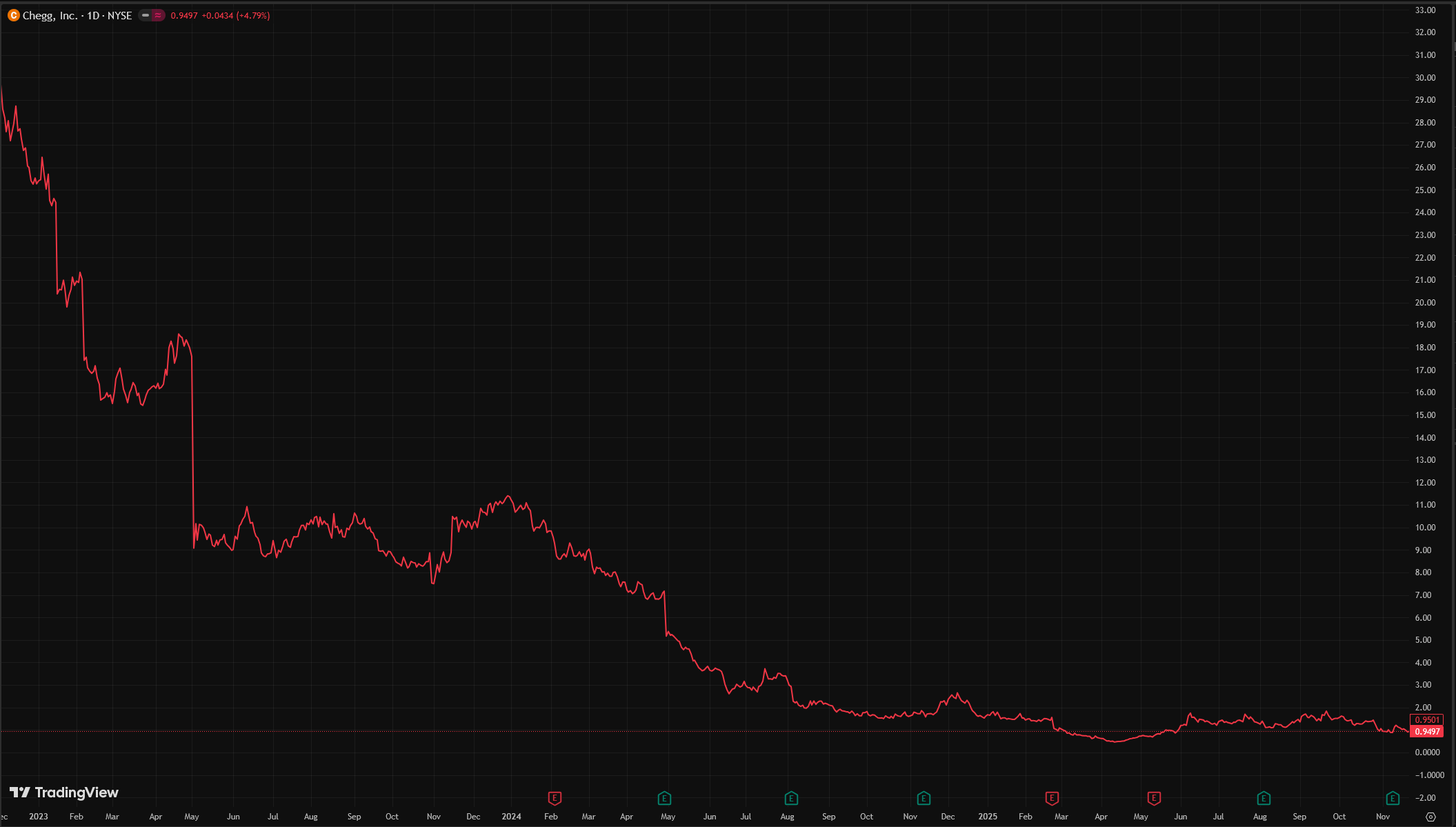
AI tutors couldn’t adapt explanations to learning styles, recognize confusion, provide encouragement, or build relationships. Within months, Chegg pivoted back to human tutors.
The Forrester Wake-Up Call
Research firm Forrester delivered the knockout punch in their 2024 survey: 55% of employers regret AI-driven layoffs. Many had to rehire at significantly higher costs, admitting the AI couldn’t deliver what was promised.
The pattern is clear: companies rushed to replace humans, discovered AI’s limitations, and paid premium prices to undo their mistakes.
What Actually Works: AI as Productivity Multiplier
Now for the good news. While some companies were fumbling AI replacement, others figured out the winning formula: AI makes great employees incredible.
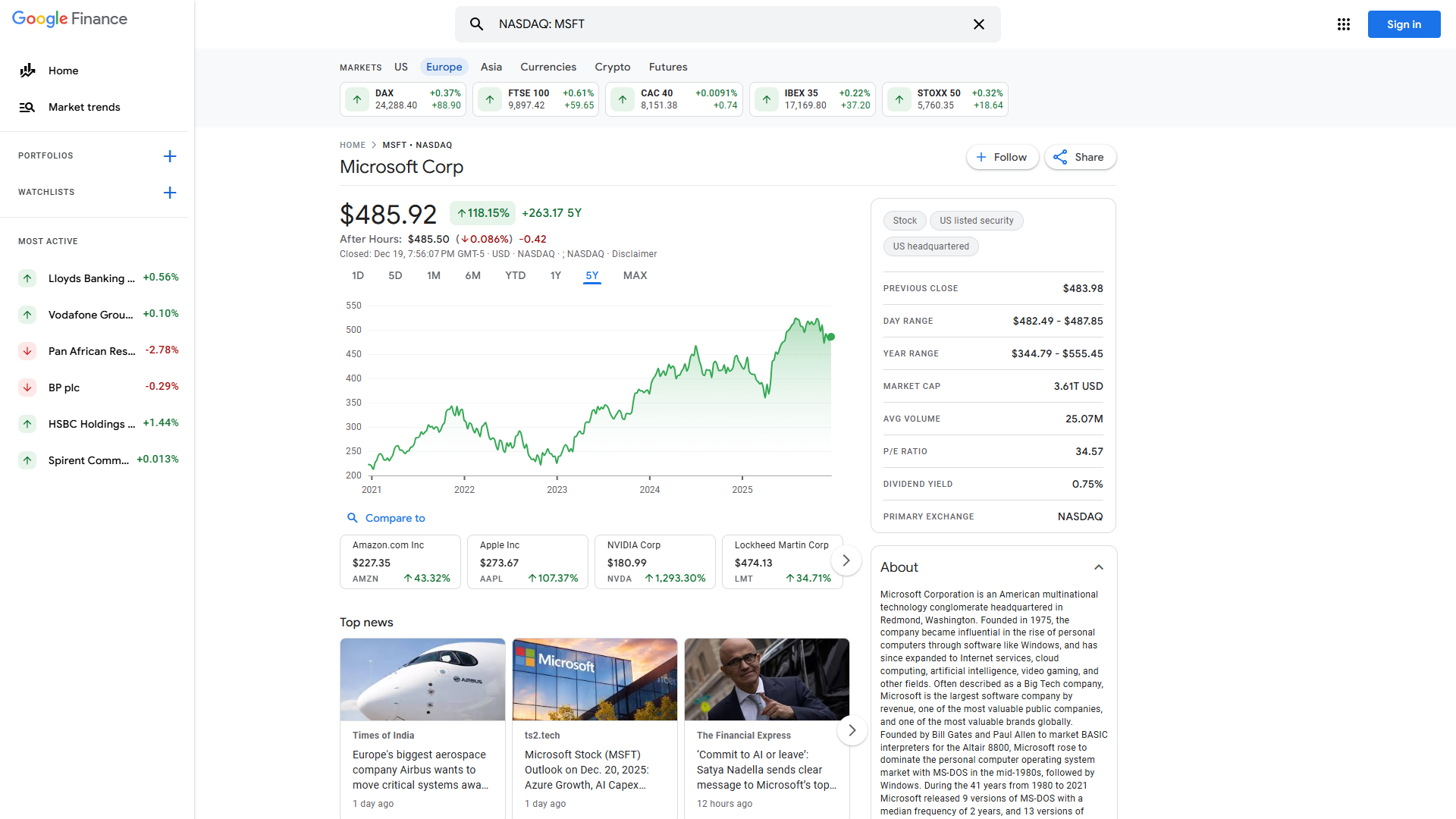
EchoStar Hughes: 35,000 Hours Reclaimed
EchoStar Hughes deployed Microsoft 365 Copilot as a productivity enhancer, not a replacement. Results: 35,000 work hours saved, employees retained and upskilled, meeting summaries automated, and document drafting accelerated while humans provided strategy. The key? AI handled grunt work, freeing employees for high-value thinking.
Toyota’s Administrative Revolution
Toyota reduced 10,000+ man-hours in administrative tasks using AI for document processing - but kept human oversight at every stage. AI handled data entry, categorization, pattern detection, and report generation. Humans handled quality verification, exceptions, strategic decisions, and process improvements. Result? Massive efficiency gains without sacrificing quality.
Uber: Algorithms with Humans in the Loop
Uber uses sophisticated AI for surge pricing predictions and route optimization. But they didn’t replace drivers - they enhanced their earning potential and efficiency.
The AI predicts demand patterns, suggests optimal positioning, and calculates dynamic pricing. Human drivers make the final calls about when, where, and how to work.
This augmentation model lets drivers earn more per hour while giving Uber better fleet distribution. Win-win through AI enhancement, not replacement.
IBM’s Redemption Arc
The same IBM that stumbled in HR projected $4.5 billion in savings using AI to augment employees, not replace them. This time: AI-assisted code reviews with developers deciding, automated testing with engineers designing strategy, smart documentation with writers controlling narratives. Same company, different approach, dramatically different results.
The MIT Study: GitHub Copilot Reality Check
MIT researchers found developers using GitHub Copilot had 26% higher output with no reduction in code quality, faster completion of boilerplate tasks, and more time for architecture. Critically: the best code came from experienced developers wielding Copilot like a power tool, not from AI autonomy.
Nielsen Norman Group: The 66% Productivity Leap
When Nielsen Norman Group studied knowledge workers using AI assistants, they found 66% productivity improvement on writing tasks.
But here’s what the headline missed: improvements came from AI handling drafts, research compilation, and editing suggestions - while humans controlled strategy, tone, and final decisions.
The productivity multiplier effect emerged from collaboration, not automation.
The Tools That Get It Right
The pattern in successful AI adoption? Tools designed from the ground up for human-AI collaboration, not human replacement.
ChatGPT: Your Tireless Research Assistant
ChatGPT exemplifies AI augmentation done right. It doesn’t replace your thinking - it amplifies it.
What it actually does:
- Drafts initial versions of emails, reports, and content
- Explains complex concepts in different ways until you understand
- Brainstorms options you refine with your expertise
- Handles research compilation from multiple angles
What it doesn’t do:
- Make strategic decisions for your business
- Understand your company’s unique context and politics
- Replace your judgment about quality and appropriateness
- Substitute for domain expertise and experience
I use ChatGPT daily to draft responses, research topics, and explore ideas. But I’ve never published its raw output without significant human editing. That’s the point - it handles the grunt work so I can focus on the thinking work.
Rating:
Perplexity: Research Acceleration, Not Replacement
Perplexity transformed how I handle research. It’s not replacing my analytical skills - it’s removing the drudgery of information gathering.

The augmentation model:
- Aggregates information from multiple sources instantly
- Provides citations so you verify claims yourself
- Offers different angles on complex topics
- Saves hours of manual searching
Your job remains:
- Evaluating source credibility and bias
- Synthesizing insights into actionable conclusions
- Asking better questions based on initial findings
- Applying research to your specific context
Before Perplexity, a competitive analysis might take 4-6 hours of searching, reading, and note-taking. Now it takes 45 minutes - but I’m still doing the strategic thinking and decision-making.
Rating:
Notion: Your Second Brain, Not Your Only Brain
Notion with AI features creates a perfect augmentation model for knowledge management.
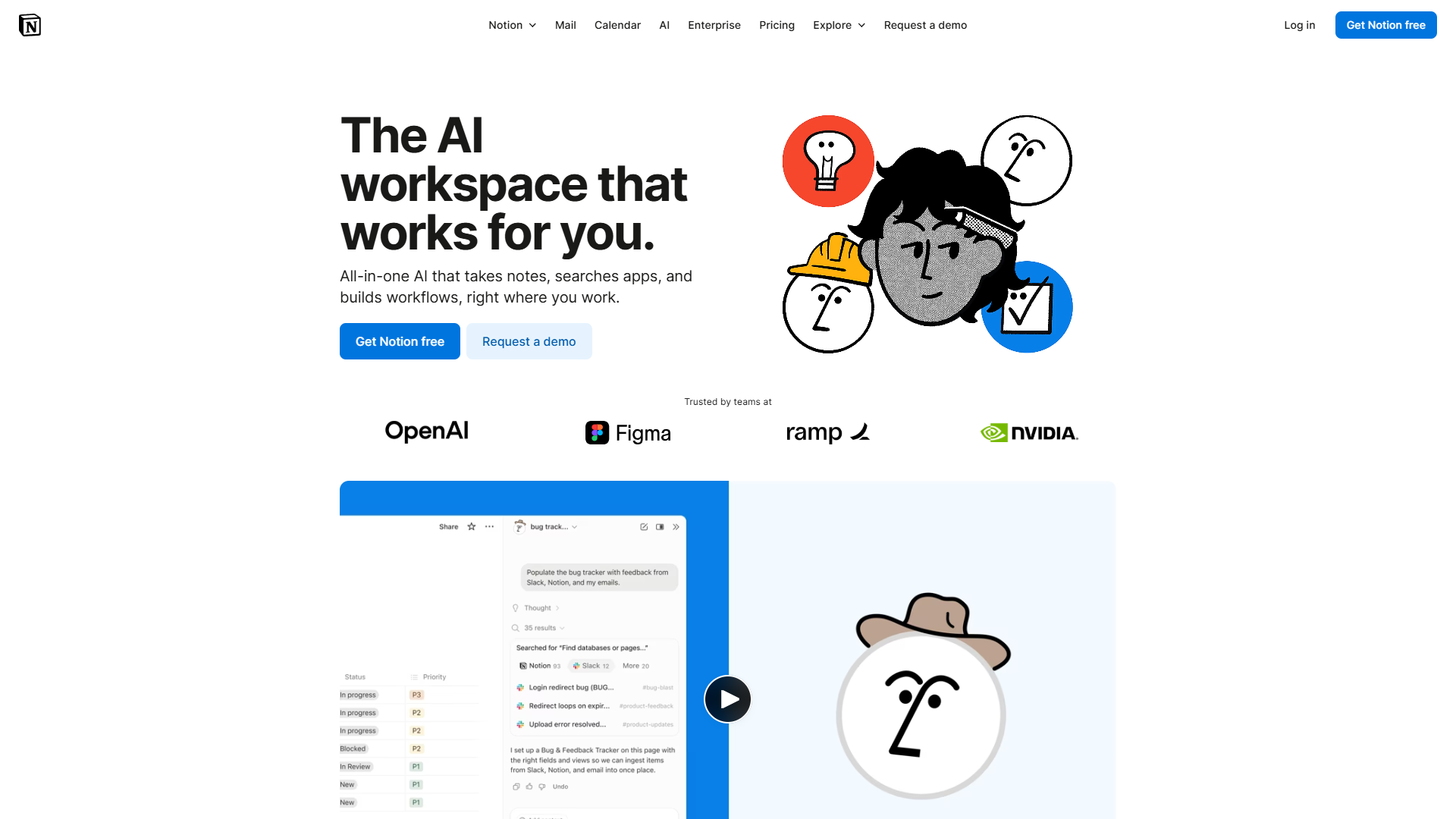
AI handles:
- Summarizing long documents for quick review
- Generating initial drafts from bullet points
- Organizing information with smart suggestions
- Answering questions about your stored knowledge
You handle:
- Deciding what information matters and should be stored
- Creating connections between different ideas and projects
- Determining workflows that fit your specific needs
- Maintaining quality and relevance of your knowledge base
The AI makes your second brain faster and more accessible. It doesn’t replace your first brain’s judgment about what’s actually important.
Rating:
Zapier: Automation with Human Judgment Points
Zapier’s AI features showcase automation done thoughtfully - with strategic human oversight built in.
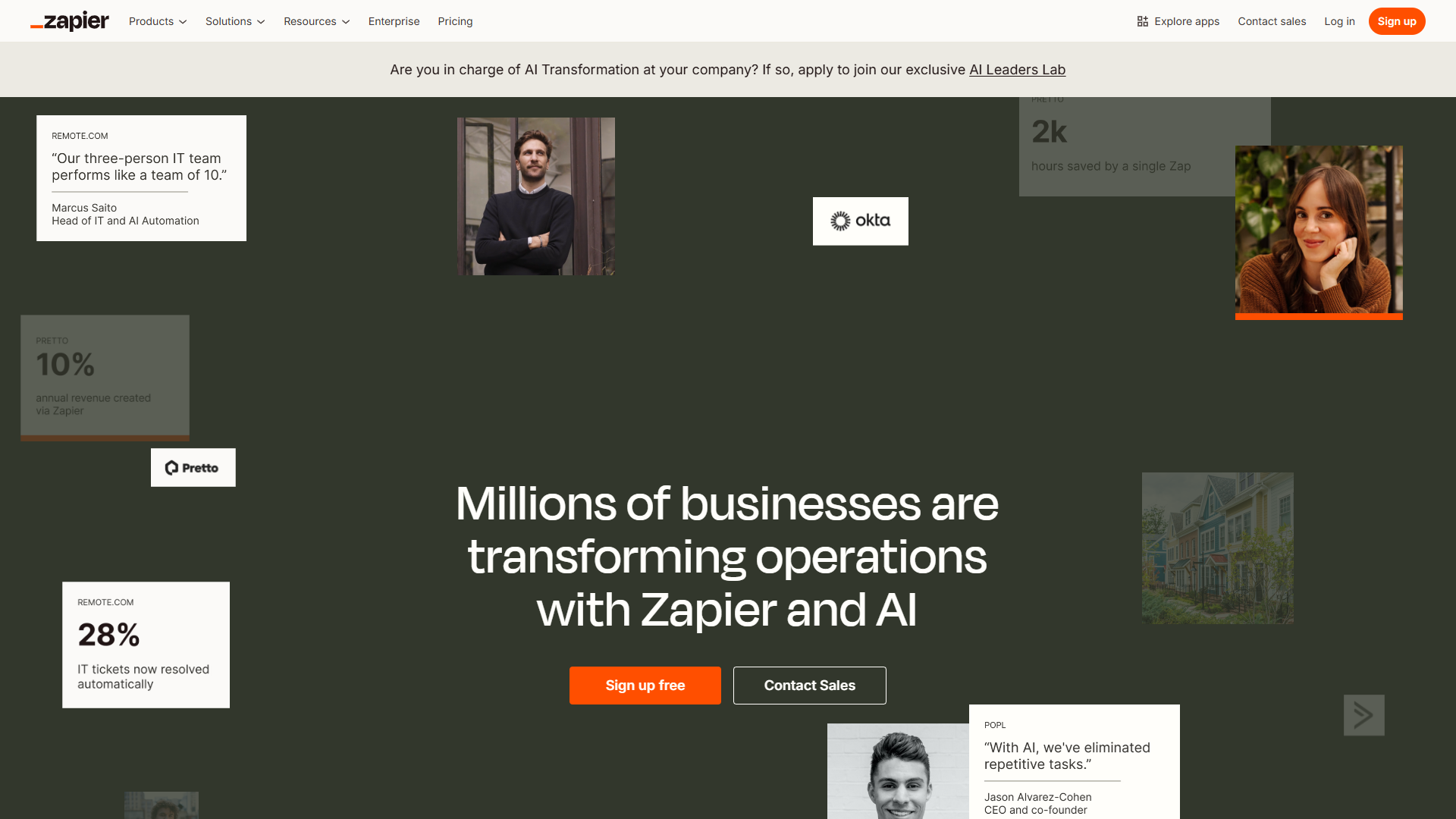
Automated by AI:
- Data transfer between applications
- Trigger detection based on specific conditions
- Format conversion for cross-platform compatibility
- Routine task execution following your rules
Controlled by humans:
- Workflow design and logic decisions
- Exception handling rules and priorities
- Quality checkpoints at critical stages
- Strategy changes as business needs evolve
I’ve automated hundreds of repetitive tasks with Zapier, but I designed every workflow, set every rule, and monitor the outputs. The AI executes my strategy at machine speed - it doesn’t create strategy for me.
Rating:
Grammarly: Editor, Not Author
Grammarly represents the ideal augmentation tool - it makes good writers better, not obsolete.
AI assistance includes:
- Grammar and spelling correction in real-time
- Tone detection and adjustment suggestions
- Clarity improvements for complex sentences
- Consistency checks across documents
Your expertise remains:
- Voice and style choices that match your brand
- Content strategy and message framing
- Judgment calls about when to break grammar rules
- Creative decisions about language and impact
Grammarly catches my typos and awkward phrasing. It doesn’t write my articles, develop my arguments, or make strategic communication decisions. That’s exactly how AI augmentation should work.
Rating:
ClickUp: Project Management Enhanced
ClickUp’s AI features demonstrate how to enhance project management without replacing project managers.
AI capabilities:
- Automatic task summarization from descriptions
- Smart deadline suggestions based on task complexity
- Status update generation from activity logs
- Workload balancing recommendations
Human responsibilities:
- Priority decisions based on business context
- Resource allocation considering team dynamics
- Stakeholder communication with political awareness
- Risk assessment from experience and intuition
AI can suggest optimal schedules. It can’t navigate office politics, understand team morale, or make judgment calls about which deadlines are truly flexible. That’s why you’re still needed.
Rating:
The Real Productivity Multiplier Effect
Here’s where the AI hype actually meets reality in a good way. When used correctly, AI doesn’t just save time - it fundamentally changes what’s possible.
The Math That Actually Works
Let’s talk real numbers from companies using AI augmentation:
Microsoft 365 Copilot study:
- 29% faster at tasks like searching, writing, and summarizing
- 70% of users reported being more productive
- 68% said it improved the quality of their work
GitHub Copilot developers:
- 55% faster at completing coding tasks
- 74% said they could focus on more satisfying work
- 88% felt more productive in their roles
Jasper AI content creators:
- 5x faster content draft creation
- 80% reported higher quality first drafts
- Reduced writing time from hours to minutes
Notice the pattern? None of these studies show 100% automation or human replacement. They show humans becoming dramatically more effective when AI handles specific, well-defined tasks.
What Gets Multiplied
The productivity gains aren’t just about speed. They’re about cognitive load management:
Time saved on:
- Research and information gathering - AI finds sources, you evaluate them
- First draft creation - AI generates starting points, you refine and strategize
- Repetitive formatting - AI handles structure, you focus on substance
- Routine communication - AI drafts responses, you add nuance and relationship management
- Data analysis grunt work - AI crunches numbers, you interpret implications
Time freed for:
- Strategic thinking and long-term planning
- Creative problem-solving requiring lateral thinking
- Relationship building with clients and colleagues
- Learning and skill development in your field
- High-stakes decision-making leveraging experience
This is the real ROI of AI augmentation. Not eliminating jobs, but eliminating the parts of jobs that drain energy without adding strategic value.
The Hybrid Human-AI Workflow
The most successful implementations I’ve seen follow this pattern:
1. AI handles the initial heavy lifting:
- Data collection and organization
- First draft generation
- Pattern identification in large datasets
- Routine task execution
2. Humans provide judgment and expertise:
- Verify AI outputs for accuracy and relevance
- Add context and strategic framing
- Make decisions requiring ethics or empathy
- Handle exceptions and edge cases
3. AI accelerates iteration:
- Quickly generates alternatives when humans request changes
- Tests multiple approaches simultaneously
- Provides feedback on readability, clarity, or consistency
- Automates rework and reformatting
4. Humans maintain quality control:
- Final review and approval
- Brand and voice consistency
- Relationship management
- Strategic alignment with goals
This isn’t AI replacing humans or humans babysitting AI. It’s a true collaboration where each does what they’re best at.
Why CEOs Get It Wrong
If AI augmentation is clearly superior to AI replacement, why do executives keep making the same mistake?
The Pressure Cooker Problem
Wall Street loves cost-cutting stories. “We’re reducing headcount by 30% with AI” makes better headlines than “We’re investing in AI tools to make teams more effective over three years.” The first sounds like immediate savings; the second sounds expensive with uncertain returns.
The Complexity Underestimation
From the C-suite, jobs look simpler than they are. “Customer service is just answering knowledge base questions” - until you realize 80% of tickets fit patterns but that crucial 20% requiring judgment generates 80% of customer satisfaction impact. Executives see the 80% and think “automatable.” Customers experience the 20% and think “this company doesn’t care.”
The Technology Optimism Bias
Tech executives have seen software eat the world and cloud computing reshape infrastructure. But AI isn’t just automating processes - it’s attempting to replace judgment. And judgment is much harder to automate than workflows.
The Augmentation Mindset for Your Career
Whether you’re a CEO, manager, or individual contributor, the AI productivity hype vs reality gap creates opportunities.
For Leaders: How to Actually Implement AI
If you’re driving AI adoption in your organization, learn from the success stories:
Start with augmentation, not automation:
- Identify tasks that drain energy but don’t require strategic thinking
- Deploy AI tools to handle those specific tasks
- Measure productivity gains in terms of output quality and employee satisfaction
- Resist the temptation to immediately reduce headcount
Build AI literacy across teams:
- Train employees on effective AI tool use
- Share best practices from early adopters
- Create feedback loops so tools get better with use
- Celebrate wins when AI enables better work
Maintain the human advantage:
- Double down on skills AI can’t replicate: empathy, creativity, strategic thinking
- Redesign roles around high-value human activities
- Use time savings for innovation and improvement, not just cost reduction
- Protect relationships with customers and team members
The companies winning with AI aren’t the ones replacing people. They’re the ones making their people superhuman.
For Individual Contributors: Becoming AI-Enhanced
Your job probably won’t be fully automated. But it might be done by someone who’s better at using AI than you are.
Skills to develop:
- Prompt engineering - learning to communicate effectively with AI tools
- Output evaluation - quickly spotting AI hallucinations and mistakes
- Strategic tool selection - knowing which AI tool fits which task
- Human-AI workflow design - creating processes that leverage both effectively
Mindset shifts:
- From “AI is stealing jobs” to “AI is eliminating the parts of my job I hate”
- From “I can do it myself” to “AI handles the grunt work, I focus on strategy”
- From “Learning AI is optional” to “AI fluency is as essential as computer literacy”
- From “Protect my territory” to “Leverage AI to become invaluable”
I’ve watched colleagues resist AI tools while AI-fluent team members complete twice the work at higher quality. Guess who’s getting promoted?
The Career-Proof Strategy
Make yourself indispensable by focusing on what AI can’t do:
Develop these irreplaceable skills:
- Strategic thinking - AI can optimize tactics, not create vision
- Relationship building - Trust and rapport require human connection
- Creative problem-solving - AI recombines existing patterns; humans create new ones
- Emotional intelligence - Understanding and navigating human dynamics
- Ethical judgment - Making decisions when there’s no clear right answer
Combine them with AI fluency:
- Use AI tools to handle research, drafts, and analysis
- Apply human judgment to verify, refine, and strategize
- Deliver more value than either AI or human alone could provide
- Position yourself as the expert at human-AI collaboration
The future doesn’t belong to AI. It doesn’t belong to people who reject AI either. It belongs to people who master the collaboration.
The Uncomfortable Truth
Here’s what your CEO doesn’t want to admit: AI isn’t magic, and replacing people isn’t strategy.
The companies backtracking on AI-driven layoffs learned this expensively. The companies succeeding with AI knew it from the start.
AI is a tool - incredibly powerful, transformatively useful, but still a tool. Like any tool, it amplifies the abilities of skilled users. It doesn’t replace the need for skill.
The AI productivity hype promised utopia: effortless automation, unlimited scale, perfect accuracy. The reality is better: thoughtful augmentation that makes good teams great and eliminates the soul-crushing parts of knowledge work.
The Real AI Revolution
The revolution isn’t about replacement. It’s about liberation.
Liberation from:
- Tedious research that used to take hours
- First draft anxiety staring at blank pages
- Routine formatting and data entry
- Repetitive communication explaining the same things
- Administrative overhead that drowns productive work
Liberation for:
- Deep thinking on complex problems
- Creative exploration of new ideas
- Strategic planning and vision development
- Relationship building with colleagues and clients
- Meaningful work that leverages your unique expertise
This is the AI hype vs reality reconciliation. AI won’t replace you, but it will change what you spend time on. And if you’re drowning in administrative tasks, that’s fantastic news.
Final Verdict
After analyzing the disasters and successes, testing the tools, and talking to people in the trenches, the conclusion is clear:
AI as replacement: Expensive failure that companies are quietly abandoning
AI as augmentation: Productivity multiplier that actually delivers ROI
Your CEO might be wrong about using AI to cut headcount. But they’re right that AI will transform how work gets done.
The winners will be organizations that treat AI as a power tool for talented people, not a replacement for talent. They’ll invest in AI literacy, redesign workflows around human-AI collaboration, and use productivity gains for innovation rather than just cost reduction.
What This Means for You
Whether you’re making AI adoption decisions or figuring out how to stay relevant in your career, the strategy is the same:
Embrace AI tools enthusiastically. They’re not going away, and early adopters have massive advantages.
Focus on uniquely human skills. Strategy, creativity, empathy, and judgment become more valuable, not less, in an AI-augmented world.
Design workflows around collaboration. The best results come from humans and AI each doing what they do best.
Resist the replacement trap. Whether you’re a leader or individual contributor, augmentation beats automation every time.
The AI productivity hype promised that machines would do our jobs. The reality is better: machines handle the grunt work so we can focus on the parts of our jobs that actually matter.
Your CEO is wrong about AI replacing people. But AI still wins - by making people better at being human.
For more information about ai productivity hype vs reality, see the resources below.
External Resources
For official research and documentation on AI productivity:
- Microsoft Work Lab — Copilot productivity research and workplace AI trends
- McKinsey AI Insights — Enterprise AI adoption studies and ROI analysis
Related Reading
- Best AI Tools for Solopreneurs
- ChatGPT Prompts for Productivity
- AI Research Tools Complete Guide